When the family is growing, the carpool list is expanding, or the in-laws are coming along for the cottage weekend, a three-row SUV with seven seats simply won't cut it. Eight-seater SUVs have become the go-to solution for Canadian families who need maximum flexibility, whether that means hauling the entire hockey team to a tournament in Sudbury or packing in the clan for a road trip to the East Coast. The good news is that today's eight-passenger SUVs are far more refined, more fuel-efficient, and more feature-packed than the body-on-frame haulers of decades past.
From rugged full-size beasts capable of towing a boat to the lake, to car-based crossovers with hybrid powertrains designed to save a fortune at the pumps, there's an eight-seater SUV to suit every need and budget. We've rounded up the best of the bunch currently available, accounting everything from third-row comfort and cargo capacity to all-wheel-drive capability for tackling snowy winter mornings.
About this guide
The cars in this guide have been selected to represent the best options currently available. Our recommendations are the result of a unique three-part scoring system that takes into account real-world tests from our team of expert reviewers, ratings from real-life owners who live with these cars every day, and an analysis of market data from CarGurus to identify which models offer the highest percentage of good and great deals. This combined approach ensures our list highlights cars that are not only great to own but also good value to buy. For more information, scroll to the bottom of this page.
Best 8-Seater SUVs in Canada

CarGurus expert rating: 7.7 out of 10
CarGurus user rating: 4.7 out of 5
Percentage of good/great deals available on CarGurus: 30.2%
Overall CarGurus rating: 4.4 out of 5
| Pros |
Cons |
| Stylish design |
Irritating engine sound |
| Plenty of cargo space |
Interior materials feel cheap |
| Impressive technology |
Poor value for money |
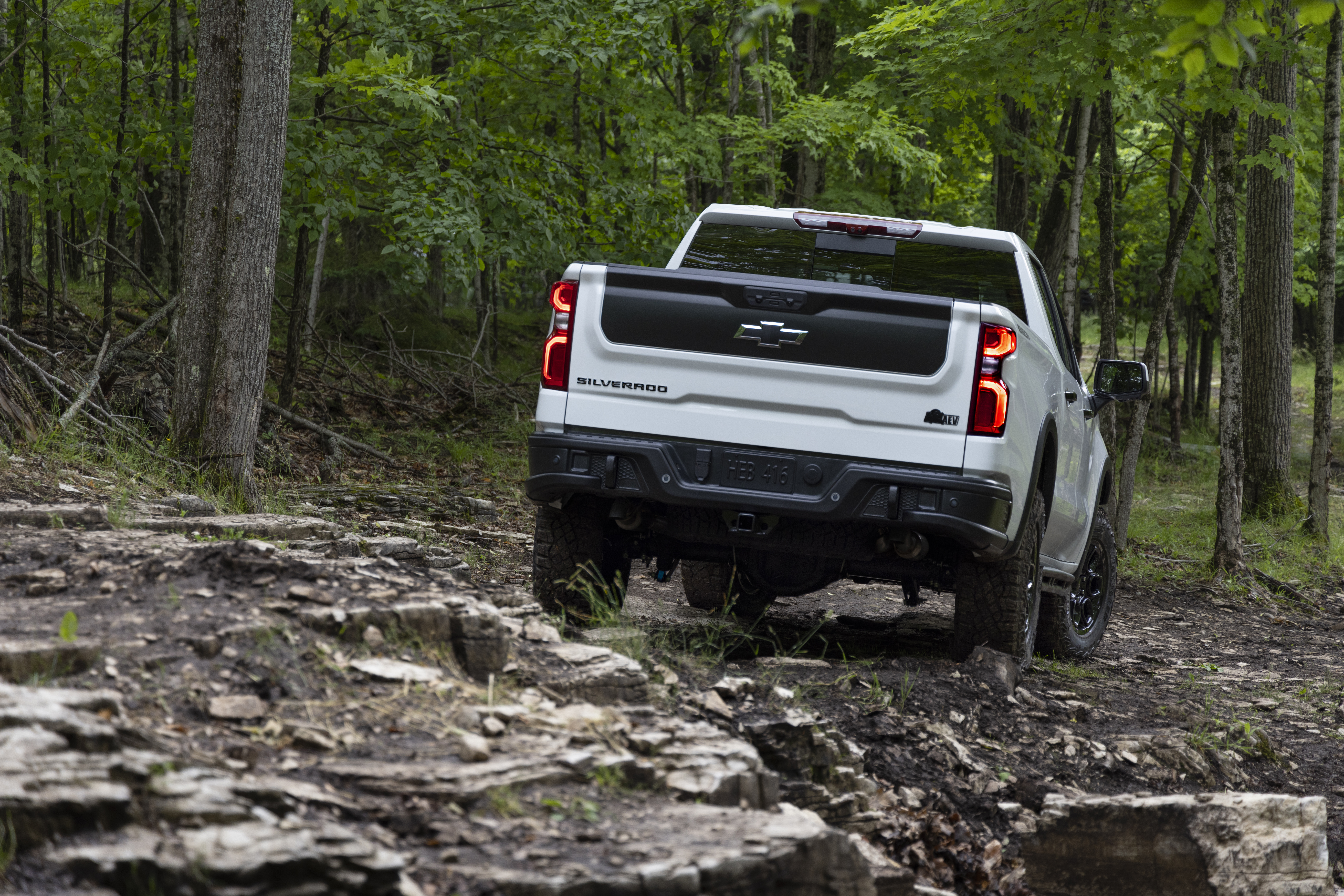
Recently redesigned with a bolder, more rugged exterior, the Chevrolet Traverse makes a strong case as a spacious family hauler. When equipped with the optional second-row bench, it accommodates a full eight passengers, and the cabin is wide, which translates to extra elbow room across all three rows. Storage is a major strength here, with 648 litres of room behind the third row that opens up to a massive 2,764 litres once all the rear seats are folded flat. That's more than enough for a Costco run, a weekend's worth of camping gear, or a goalie's full pad bag.
Power comes from a new 2.5-litre turbocharged four-cylinder that produces a healthy 328 horsepower and 326 pound-feet of torque, giving this big SUV brisk acceleration when merging onto the 401 or passing on a two-lane highway. Available all-wheel drive adds confidence for snowy commutes, and the standard 17.7-inch touchscreen with Google Built-in is one of the largest and most user-friendly displays in the segment. Heated front seats and a heated steering wheel come standard, too.
The CarGurus Verdict: "Chevy gets a lot of things right with the Traverse, especially regarding technology and cargo space. However, there are head-scratchers related to quality and usability that draw unfavourable attention." - Christian Wardlaw, CarGurus contributor
Read our full Chevrolet Traverse review
Search for Chevrolet Traverse
See all
CarGurus expert rating: 7.5 out of 10
CarGurus user rating: 4.7 out of 5
Percentage of good/great deals available on CarGurus: 32.8%
Overall CarGurus rating: 4.4 out of 5
| Pros |
Cons |
| Comfortable |
No hybrid option |
| Plenty of cargo space |
|
| Plenty of passenger space |
|
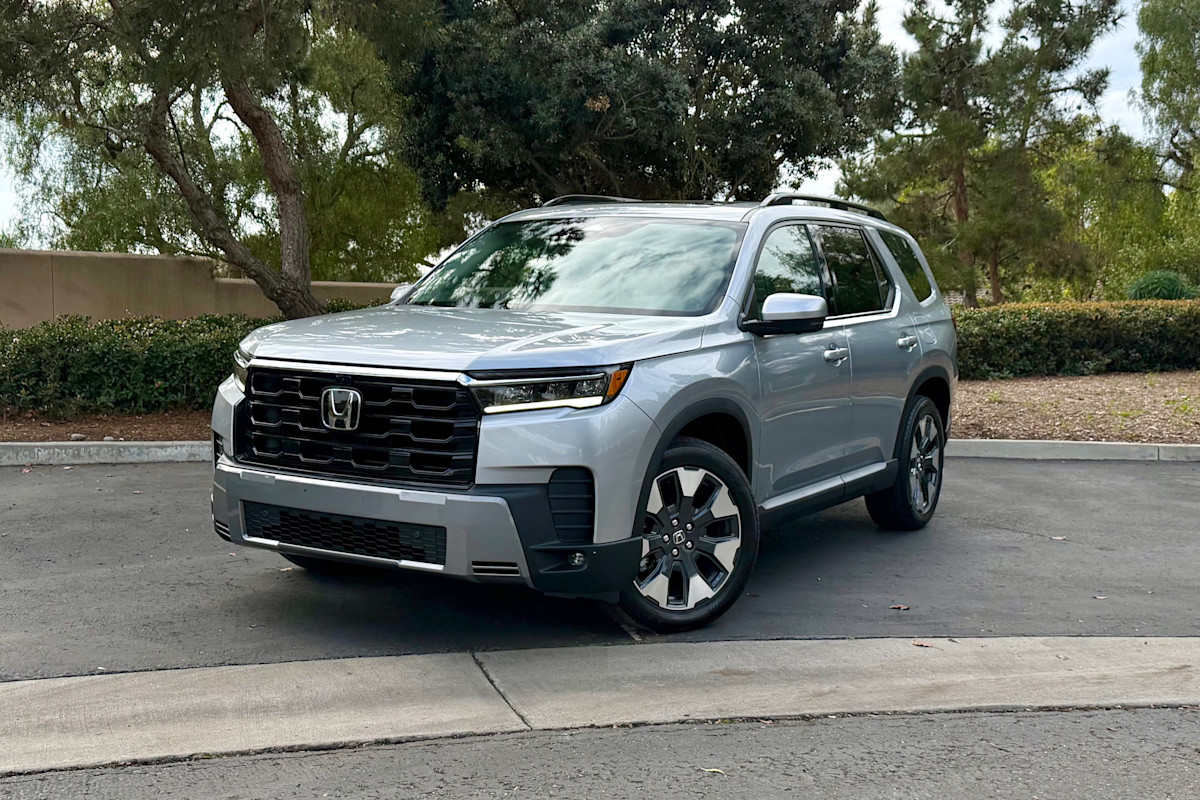
One of the Honda Pilot's cleverest tricks is its removable second-row centre seat, which allows buyers to switch between an eight-passenger bench configuration and a comfortable captain's chair setup whenever the mood strikes. Even better, Honda has built in a dedicated storage spot under the cargo floor so there's somewhere to stash the middle seat when it isn't in use. The cabin is impressively roomy with generous second-row legroom, and while the third row is best suited to kids or smaller adults, it's perfectly usable. Cargo capacity stands at 635 litres behind the third row, ballooning to a whopping 3,219 litres with both rear rows folded.
A 3.5-litre V6 makes 285 horsepower and 262 pound-feet of torque, channeled through a 10-speed automatic and standard all-wheel drive. It's a smooth, refined powertrain that handles highway passes with ease and emits a pleasant, muted growl when pushed. Honda revised the steering for 2026, and the result is a more confident, settled feel through corners and on the highway. The biggest knock against the Pilot is the absence of a hybrid option, which puts it at a disadvantage against rivals when it comes to fuel economy.
The CarGurus Verdict: "Clever features help the Pilot stand out from other three-row SUVs. Our only major complaint is the lack of a more fuel-efficient model." - Mark Takahashi, CarGurus contributor
Read our full Honda Pilot review

CarGurus expert rating: 7.0 out of 10
CarGurus user rating: 4.8 out of 5
Percentage of good/great deals available on CarGurus: 31.9%
Overall CarGurus rating: 4.4 out of 5
| Pros |
Cons |
| Multiple powertrain options |
XRT trim loses luxury features |
| Great ride quality |
Fuel economy lags behind top rivals |
| Spacious |
|
Available in either seven- or eight-passenger configurations, the Hyundai Palisade has earned a loyal following thanks to its upscale cabin and refined demeanour. Step inside and there are genuinely premium materials, thoughtful design touches, and standard heated front and second-row seats along with a heated steering wheel. There's up to 540 litres of cargo room behind the third row, and folding everything down opens up 2,455 litres of total space.
The standard powertrain is a 3.5-litre V6 making 287 horsepower and 260 pound-feet of torque, mated to an eight-speed automatic and standard all-wheel drive. New for this generation is a hybrid option that pairs a 2.5-litre turbo four with two electric motors for a combined 329 horsepower and meaningfully better fuel economy. Whichever powertrain buyers choose, the Palisade's suspension does an excellent job of smoothing out broken pavement and frost heaves, making it one of the most relaxing three-rows in its class.
The CarGurus Verdict: "The Hyundai Palisade is an improvement over the model it replaces in every meaningful way. Consider it a top choice if you’re in the market for a comfortable three-row SUV with space for the whole family." - Jeremy Korzeniewski, CarGurus contributor
Read our full Hyundai Palisade review
CarGurus expert rating: 8.8 out of 10
CarGurus user rating: 4.6 out of 5
Percentage of good/great deals available on CarGurus: 25.5%
Overall CarGurus rating: 4.4 out of 5
| Pros |
Cons |
| Stylish design |
Poor ride quality |
| Powerful engine |
Cramped back seats |
| Impressive technology |
Too few physical controls |
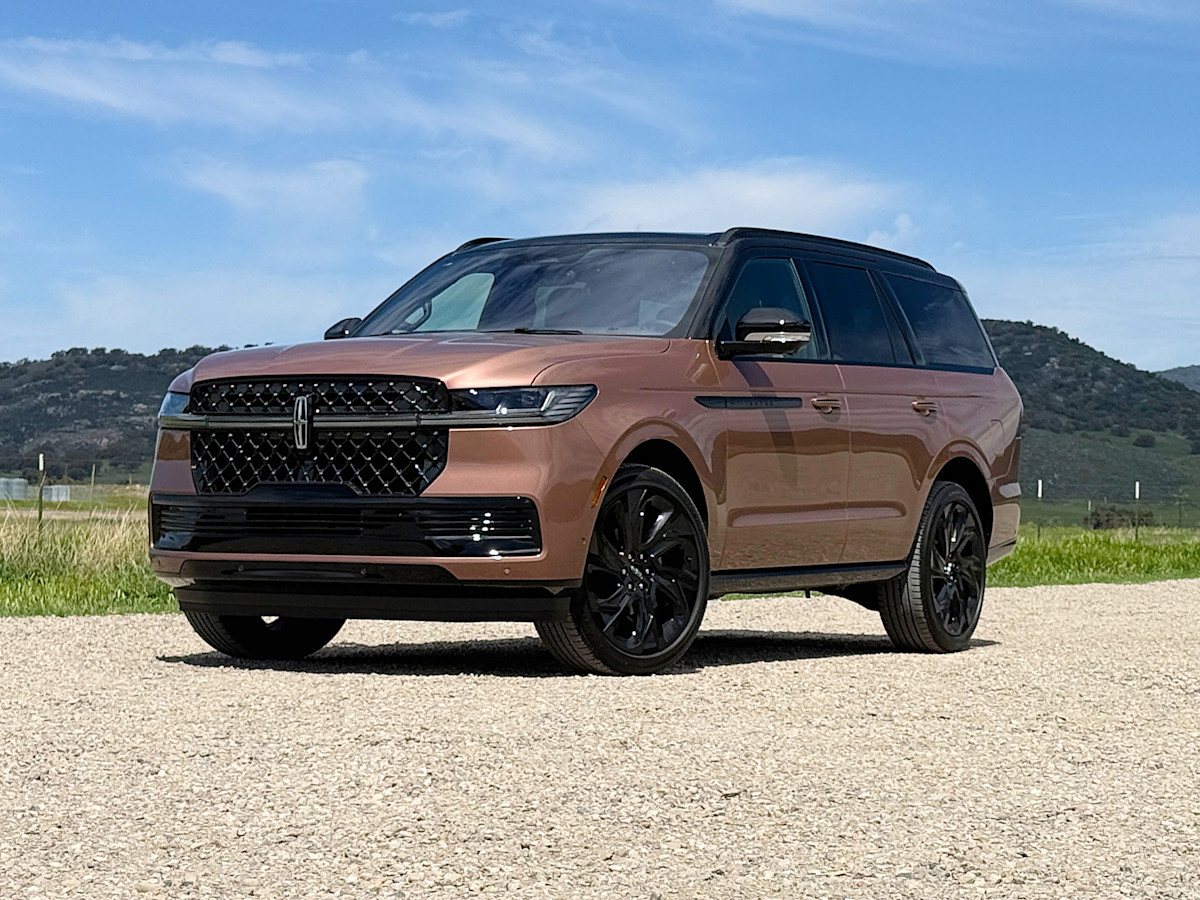
The Lincoln Navigator delivers for Canadian families who want luxury alongside eight-seat capacity. Offered in standard and extended Navigator L body styles, the cabin is a minimalist showcase headlined by a jaw-dropping 48-inch panoramic display that stretches across the entire dashboard. The standard Navigator offers 611 litres of cargo capacity behind the third row, while the stretched L variant nearly doubles that figure to 1,022 litres—handy when eight people each bring their own luggage to the airport.
A twin-turbocharged 3.5-litre V6 produces 440 horsepower and 510 pound-feet of torque, paired with a 10-speed automatic and standard four-wheel drive. Towing capacity tops out at a substantial 3,950 kilograms (8,700 pounds), and Lincoln's BlueCruise hands-free highway driving system is along for the ride to take the edge off long Trans-Canada hauls. The standard adaptive suspension does its best to soak up bumps, though the massive 24-inch wheels can transmit some sharper impacts into an otherwise serene cabin.
The CarGurus Verdict: "At its heart, the Lincoln Navigator is a truck-based, full-size luxury SUV that shares plenty with the more affordable Ford Expedition. In exchange for the premium you’ll pay, the Navigator has exclusive design, materials, and features, and the luxurious Black Label trim is almost decadent inside." - Christian Wardlaw, CarGurus contributor
Read our full Lincoln Navigator review
Search for Lincoln Navigator
See all
CarGurus expert rating: 7.8 out of 10
CarGurus user rating: 4.4 out of 5
Percentage of good/great deals available on CarGurus: 30.8%
Overall CarGurus rating: 4.4 out of 5
| Pros |
Cons |
| Very spacious and easy to access all rows |
Sluggish powertrain |
| Useful and easy infotainment |
Mediocre efficiency |
| Impressive materials on upper trims |
Rock Creek trim is all bark and no bite |
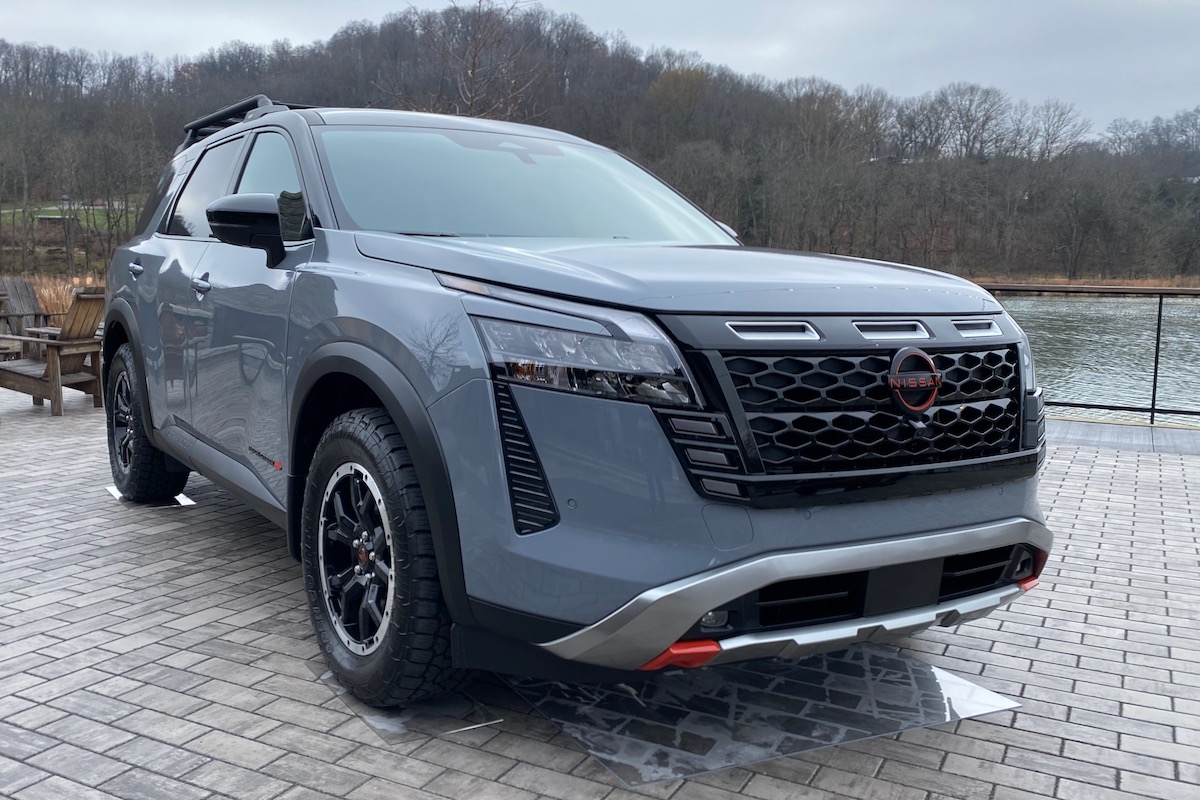
By default, the Nissan Pathfinder seats a full eight thanks to its standard second-row bench, and getting passengers into the rearmost seats is made easier than usual by Nissan's "Latch and Glide" second-row, which tilts and slides forward even when a child seat is installed—a real bonus for parents juggling multiple kids. Behind the third row is 470 litres of cargo capacity, expanding to 2,279 litres with both rear rows folded—practical numbers that suit most family duties.
Power comes from a naturally aspirated 3.5-litre V6 putting out 284 horsepower and 259 pound-feet of torque, working through a nine-speed automatic and standard all-wheel drive. It's not the quickest in the class, but the Pathfinder's ride is smooth and car-like, making it a comfortable highway companion. The newly redesigned interior leans into a more upright, traditional SUV aesthetic, and a new standard 12.3-inch touchscreen brings wireless Apple CarPlay and Android Auto to every trim.
The CarGurus Verdict: "The Pathfinder is a good choice for value, interior quality, and space, but rivals from Toyota, Hyundai, and Kia push the dials even further at a similar price." - Clifford Atiyeh, CarGurus contributor
Read our full Nissan Pathfinder review
Search for Nissan Pathfinder
See all

CarGurus expert rating: 7.8 out of 10
CarGurus user rating: 5.0 out of 5
Percentage of good/great deals available on CarGurus: 15.7%
Overall CarGurus rating: 4.3 out of 5
| Pros |
Cons |
| Spacious third row |
Uninspired styling |
| Standard advanced safety features |
Some technology only available with a subscription |
| Multiple powertrain options |
|
Buyers who pick the XLE or gas-only Limited trim of the Toyota Grand Highlander get a second-row bench that bumps total capacity to eight passengers. The big draw here is the third row itself, which offers roughly 15 centimetres more legroom than the standard Highlander—a genuinely useful difference that makes the back row accessible to adults, not just children. Behind that third row is 586 litres of cargo space, and folding everything down opens up an enormous 2,761 litres for bigger jobs.
Three powertrains are on offer, and every one includes standard all-wheel drive. The lineup kicks off with a 265-horsepower turbocharged 2.4-litre four-cylinder, moves up to a 245-horsepower hybrid that excels at sipping fuel, and culminates in the muscular 362-horsepower Hybrid Max. Safety tech is generous across the board, with the Toyota Safety Sense 3.0 suite—including automatic emergency braking and adaptive cruise control—standard on every trim. The styling won't get pulses racing, but the substance underneath more than makes up for it.
The CarGurus Verdict: "Despite a few small foibles, the Toyota Grand Highlander is perfect for active families who need a bit of extra space and comfort." - Emme Hall, CarGurus contributor
Read our full Toyota Grand Highlander review
Search for Toyota Grand Highlander
See all
CarGurus expert rating: 7.2 out of 10
CarGurus user rating: 4.6 out of 5
Percentage of good/great deals available on CarGurus: 25.7%
Overall CarGurus rating: 4.3 out of 5
| Pros |
Cons |
| Powerful engines |
Thirsty engines |
| Impressive technology |
Tech requires additional subscription |
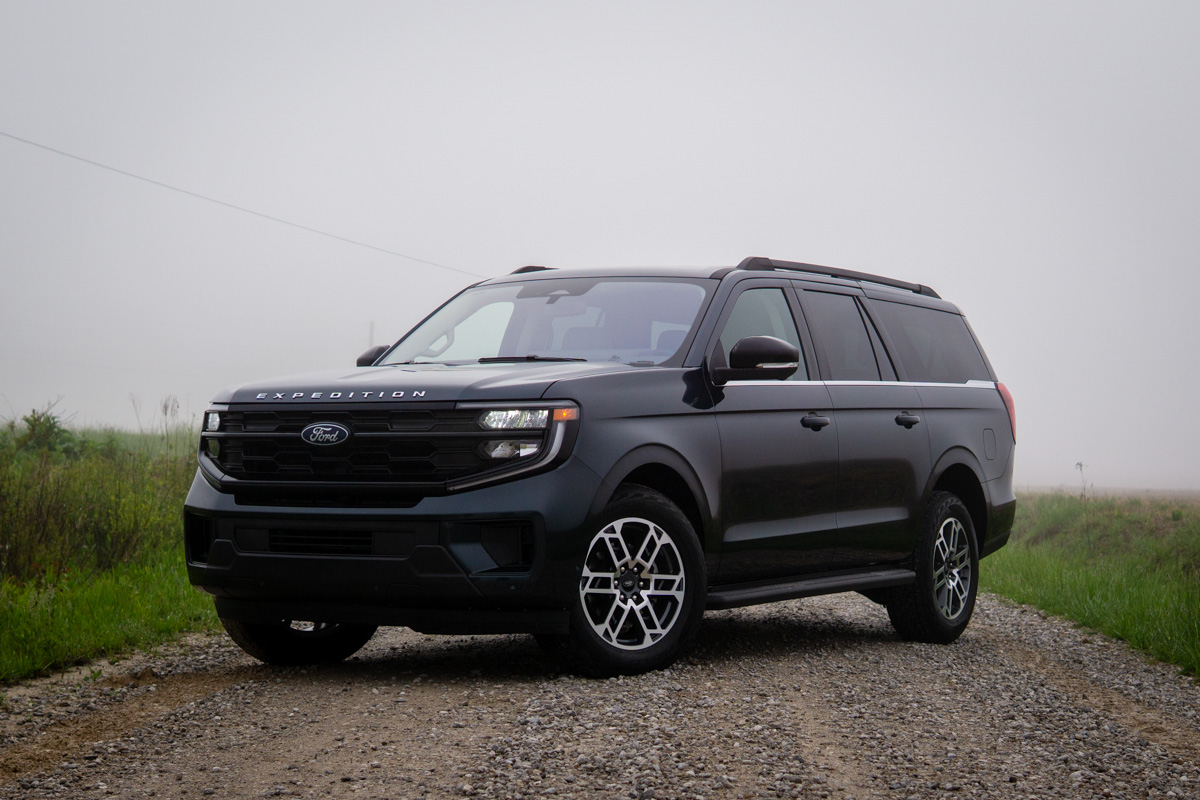
The Ford Expedition leans into its boxy, upright shape to deliver no-compromise space across all three rows. Cargo numbers are equally generous, with 611 litres behind the third row growing to a cavernous 3,072 litres when all rear seats are folded. Need even more? The extended-wheelbase Expedition MAX stretches that figure to 3,485 litres—territory typically reserved for cargo vans.
Every Expedition uses a twin-turbocharged 3.5-litre V6 producing 400 horsepower and 480 pound-feet of torque, paired with a 10-speed automatic and standard four-wheel drive. An off-road-focused Tremor trim ups output to 440 horsepower and adds 33-inch all-terrain tires plus extra ground clearance for those who actually want to leave the pavement. Maximum towing comes in at a heavyweight 4,350 kilograms, and despite the sheer scale of this vehicle, it remains surprisingly composed in city traffic and impressively quiet at highway speeds.
The CarGurus Verdict: "The Tremor is undeniably cool, and for such a large vehicle, the Expedition is surprisingly easy to drive in everyday circumstances. With a ton of standard equipment and impressive capability, both the Expedition and Expedition MAX are priced in line with the competition." - Matt Smith, CarGurus Head of Content
Read our full Ford Expedition review
CarGurus expert rating: 7.7 out of 10
CarGurus user rating: 4.6 out of 5
Percentage of good/great deals available on CarGurus: 30.8%
Overall CarGurus rating: 4.2 out of 5
| Pros |
Cons |
| Stylish design |
Poor fuel economy |
| Powerful engine |
Cramped third row |
| Easy-to-use technology |
Not much cargo space |
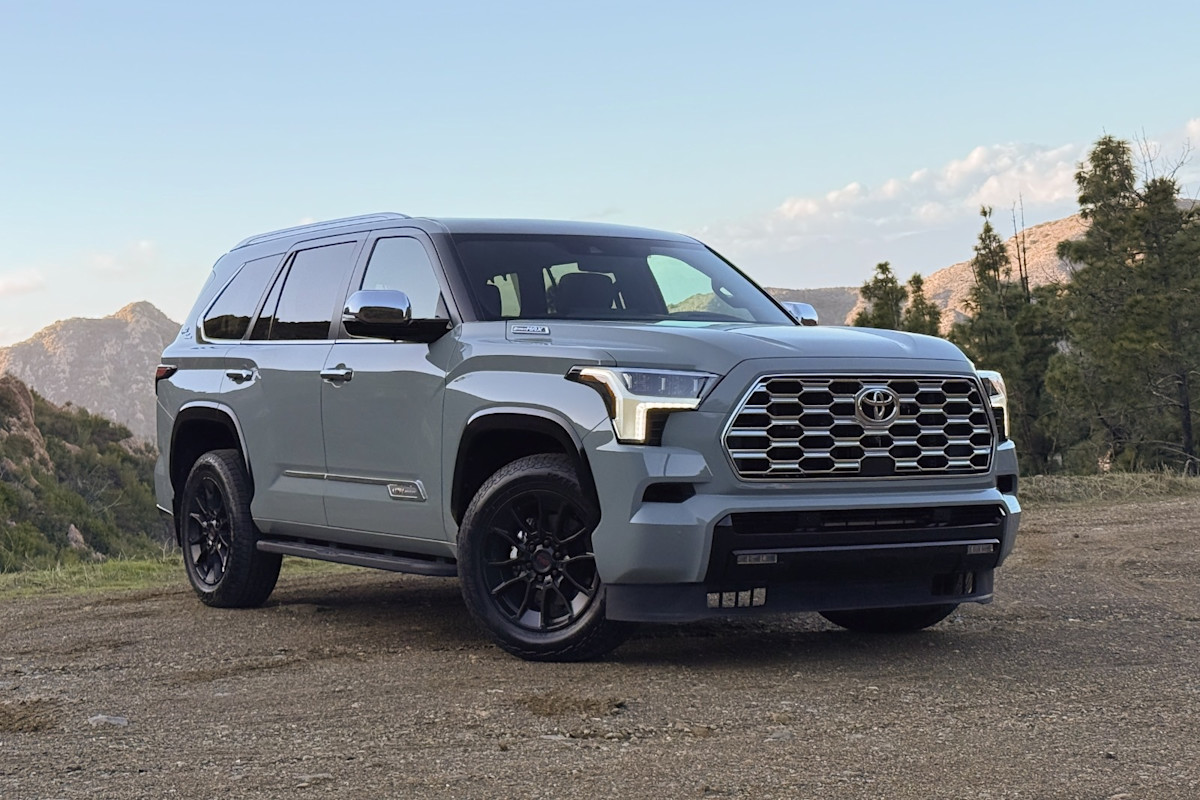
The Toyota Sequoia seats up to eight and brings serious road presence, but it asks buyers to accept a few packaging trade-offs. The combination of a hybrid battery and solid rear axle pushes the floor up, which eats into third-row headroom and trims overall cargo space to 2,460 litres with the second and third rows folded. The front two rows remain comfortable and well-equipped—standard heated seats and a heated steering wheel are welcome touches—but the very back row is best reserved for kids.
Where the Sequoia flexes its muscles is under the hood. Every model is powered by the standard i-Force Max hybrid, which combines a twin-turbocharged 3.4-litre V6 with an electric motor for a hearty 437 horsepower and 583 pound-feet of torque, all routed through a 10-speed automatic and standard four-wheel drive. The real party trick is its towing capacity, which reaches up to 4,137 kilograms (9,121 pounds) on the SR5 TRD Off-Road trim. If pulling a sizable trailer or boat is part of your routine, the Sequoia earns its keep.
The CarGurus Verdict: "People buy full-size SUVs to carry lots of people, haul lots of cargo, and tow lots of weight. However, due to its packaging requirements, the Sequoia is a rock star only if you’re attaching a trailer to it, and even then, it’s not class-leading in capability." - Christian Wardlaw, CarGurus contributor
Read our full Toyota Sequoia review

CarGurus expert rating: 7.0 out of 10
CarGurus user rating: 4.3 out of 5
Percentage of good/great deals available on CarGurus: 32.0%
Overall CarGurus rating: 4.2 out of 5
| Pros |
Cons |
| Stylish design |
Underwhelming base engine |
| Premium interior materials |
Noisy |
| Great safety ratings |
Unintuitive technology |
The Mazda CX-90 brings near-luxury design and materials to the eight-seater segment at a relatively attainable price. The cabin is genuinely upscale, with available Nappa leather and a panoramic sunroof that floods the interior with daylight. Cargo room measures 15.9 cubic feet behind the third row in the top Signature trim, growing to 40.8 cubic feet with the third row folded.
Powertrain choices set the CX-90 apart from most rivals. A turbocharged 3.3-litre inline-six is available in standard tune at 280 horsepower or a high-output version producing 319 horsepower (and still happy on regular gas). All versions pair with an eight-speed automatic and a standard rear-biased all-wheel-drive system, which gives the CX-90 a more engaging driving feel than most of its competitors. Safety is another high point, as the IIHS has awarded it a Top Safety Pick+ rating, and standard driver-assistance features include blind-spot monitors and automatic emergency braking.
The CarGurus Verdict: "Can the CX-90’s elegant design, premium interior, unusual powertrains, enjoyable driving dynamics, and impressive safety ratings ensure competitiveness in a family-size SUV segment? With more attention to detail and better technology, this Mazda SUV could lead instead of follow." - Christian Wardlaw, CarGurus contributor
Read our full Mazda CX-90 review
FAQ
What is the difference between a seven-seater and an eight-seater SUV?
The key difference is the second-row seating configuration. A seven-seater typically features two captain's chairs in the second row separated by an aisle, while an eight-seater uses a three-person bench seat in the second row. Many three-row SUVs offer both configurations across different trim levels, allowing buyers to choose based on whether they prioritize maximum passenger capacity or more comfortable second-row access.
Are eight-seater SUVs good for Canadian winters?
Yes, most of the eight-seater SUVs sold in Canada come standard with or offer optional all-wheel drive, making them well suited to snowy and icy conditions. Many also include standard cold-weather features such as heated front seats, heated steering wheels, and remote start. Larger full-size SUVs with body-on-frame construction, such as the Ford Expedition and the Toyota Sequoia, are particularly capable when conditions get rough.
Which eight-seater SUV has the most cargo space?
Among the SUVs on this list, the extended-wheelbase Ford Expedition MAX leads the pack with up to 3,485 litres of cargo capacity when the second and third rows are folded. The standard-wheelbase Expedition and the Honda Pilot are also among the most accommodating, both offering more than 3,000 litres of maximum cargo room.
Are there any hybrid eight-seater SUVs available in Canada?
Yes, several options exist. The Toyota Grand Highlander is available with two distinct hybrid powertrains, including the efficient standard hybrid and the more powerful Hybrid Max. The Toyota Sequoia comes exclusively with the i-Force Max hybrid powertrain, and the redesigned Hyundai Palisade now offers a hybrid option for the first time.
How much should I expect to pay for an eight-seater SUV in Canada?
Pricing varies widely based on size, brand, and trim level. Mainstream midsize options such as the Nissan Pathfinder, the Honda Pilot, and the Toyota Grand Highlander typically start in the mid-$50,000 range. Full-size SUVs such as the Chevrolet Traverse, the Ford Expedition, and the Toyota Sequoia generally start higher, while luxury models such as the Lincoln Navigator can easily exceed $120,000 when fully optioned.
What should I look for when buying an eight-seater SUV?
Buyers should focus on the practicalities that matter most to their families. They should check third-row accessibility—particularly if they'll be installing child seats in the second row—and evaluate whether third-row legroom and headroom genuinely work for the passengers who will ride there. They shoudl also consider cargo capacity with all seats in use, towing ability if they have a trailer or a boat, and fuel economy, since these larger vehicles can vary significantly at the pumps. Finally, they should make sure the standard safety and driver-assistance features meet their expectations.
What Makes CarGurus Best Cars Guides Different?
Most car-buying websites publish lists of the best cars across a variety of categories, with recommendations driven primarily by editorial expertise. Here's what makes our best cars guides different: we combine the insights and verdicts of our team of car-testing experts with other factors that we know matter to buyers—real owner experiences and current market value.
Our expert reviewers come from some of North America and Canada's most trusted automotive publications, bringing hands-on experience testing vehicles. They put each car through its paces and create detailed reviews covering everything from form and function to performance and cost effectiveness.
But we don't stop there. We also analyze hundreds of thousands of used car listings on CarGurus.ca to track which models consistently offer the highest percentage of great deals relative to how many are listed for sale. Then we factor in user reviews and ratings gathered on CarGurus to hear from people who actually live with these cars every day. Our best cars algorithm combines expert ratings, user reviews, and the percentage of listings rated as good or great deals into a final Overall CarGurus Rating—a three-way approach that reveals not just which cars excel on paper, but which ones deliver real satisfaction and value when you're ready to buy.
*The CarGurus market data in this guide was last updated in June 2026. Values were accurate at time of publication and should be used as a guide only.*
Related Topics: