Camping season in Canada is a sacred ritual, whether drivers are chasing the rugged coastlines of Newfoundland, the alpine vistas of Banff, or a quiet weekend at a familiar provincial park. The right vehicle can make the difference between a smooth getaway and a frustrating one, which is why so many Canadians are looking for capable, comfortable rigs that can swallow a weekend's worth of gear, tackle a washboard access road, and still feel civilized on the long highway haul home.
We've rounded up the best camping vehicles available in Canada right now. From rugged body-on-frame SUVs and go-anywhere pickups to versatile crossovers and a cutting-edge electric truck, this list covers a range of budgets and adventure styles. Each vehicle has been chosen for its cargo capacity, off-road chops, towing ability, and the thoughtful features that make life at the campsite a little easier.
About this guide
The cars in this guide have been selected to represent the best options currently available. Our recommendations are the result of a unique three-part scoring system that takes into account real-world tests from our team of expert reviewers, ratings from real-life owners who live with these cars every day, and an analysis of market data from CarGurus to identify which models offer the highest percentage of good and great deals. This combined approach ensures our list highlights cars that are not only great to own but also good value to buy. For more information, scroll to the bottom of this page.
Best Camping Cars in Canada in 2026

CarGurus expert rating: 8.3 out of 10
CarGurus user rating: 4.6 out of 5
Percentage of good/great deals available on CarGurus: 28.0%
Overall CarGurus rating: 4.5 out of 5
| Pros |
Cons |
| Stylish design |
Limited rear-seat space |
| Excellent off-road abilities |
|
| Relatively fuel efficient |
|
The Toyota 4Runner is an exceptional choice for Canadian camping enthusiasts, offering a rugged platform that extends adventures further into the wilderness. The standard 2.4-litre turbocharged four-cylinder engine delivers a robust 317 horsepower, while the available Hybrid i-Force Max powertrain bumps that to 326 horsepower and a massive 465 pound-feet of torque for effortless trail navigation. When packing for a weekend at the campsite, buyers will find a generous 1,371 litres of cargo space behind the second row in standard models, or 1,206 litres in the hybrid variant. For serious overlanders, the sturdy roof rack can support a static load of 360 kilograms, making it the perfect foundation for a rooftop tent.
Beyond its impressive hauling capabilities, the 4Runner is purpose-built to tackle challenging terrain with ground clearance ranging from 20.5 to 25.6 centimetres depending on the trim. Models such as the TRD Pro and Trailhunter come equipped with advanced off-road features, including myriad camera views to help drivers navigate tight trails and a stabilizer bar that disconnects for improved wheel articulation. Inside, the cabin is thoughtfully designed with chunky, easy-to-use controls and standard wireless Apple CarPlay and Android Auto to stay connected on the way to the trailhead. It remains civilized on the highway, too.
The CarGurus Verdict: "Toyota doesn't throw out the formula with its newly redesigned 4Runner. Instead, the model keeps many of the features shoppers have loved for over a decade, while also adding a more contemporary selection of four-cylinder powertrains." - Mark Takahashi, CarGurus contributor
Read our full Toyota 4Runner review

CarGurus expert rating: 8.0 out of 10
CarGurus user rating: 4.5 out of 5
Percentage of good/great deals available on CarGurus: 29.7%
Overall CarGurus rating: 4.5 out of 5
| Pros |
Cons |
| Great handling |
Excessive touchscreen controls |
| Standard all-wheel drive |
Mediocre fuel economy |
| Stylish design |
|
Shoppers shouldn't be fooled by the Ford Bronco Sport's compact footprint, because it packs serious adventure credentials into a more manageable, fuel-conscious package. Its boxy silhouette isn't just a styling exercise; the upright shape translates to surprising headroom and a smartly arranged cargo bay with built-in features such as a dedicated device tray that's perfect for mounting a GoPro to capture the journey. Folding the rear seats reveals up to 1,846 litres of room for tents, sleeping bags, and coolers, while the newly available Sasquatch Package introduces 29-inch all-terrain tires, steel underbody protection, and an off-road-tuned suspension for tackling rough access roads.
Most versions are powered by a 1.5-litre turbocharged three-cylinder producing 180 horsepower, while the trail-ready Badlands trim graduates to a 2.0-litre turbocharged four-cylinder good for 250 horsepower. Both engines route power through an eight-speed automatic and standard all-wheel drive, with a clever dual-clutch rear-drive unit that helps shuffle traction precisely where it's needed on loose or slippery ground. The real surprise comes on the highway, where the Bronco Sport feels composed and quiet, proving that drivers don't have to sacrifice on-road manners for a genuinely capable weekend warrior.
The CarGurus Verdict: "The Bronco Sport was designed primarily with off-road enthusiasts in mind, but it's still a good all-around crossover. That the Bronco Sport's considerable off-road capability doesn't ruin its on-road driving dynamics is truly impressive." - Stephen Edelstein, CarGurus contributor
Read our full Ford Bronco Sport review
Search for Ford Bronco Sport
See all
CarGurus expert rating: 8.0 out of 10
CarGurus user rating: 4.6 out of 5
Percentage of good/great deals available on CarGurus: 28.9%
Overall CarGurus rating: 4.5 out of 5
| Pros |
Cons |
| Strong off-road capabilities |
Higher trim levels have diminishing returns |
| Comfortable |
|
| Plenty of cargo space |
|
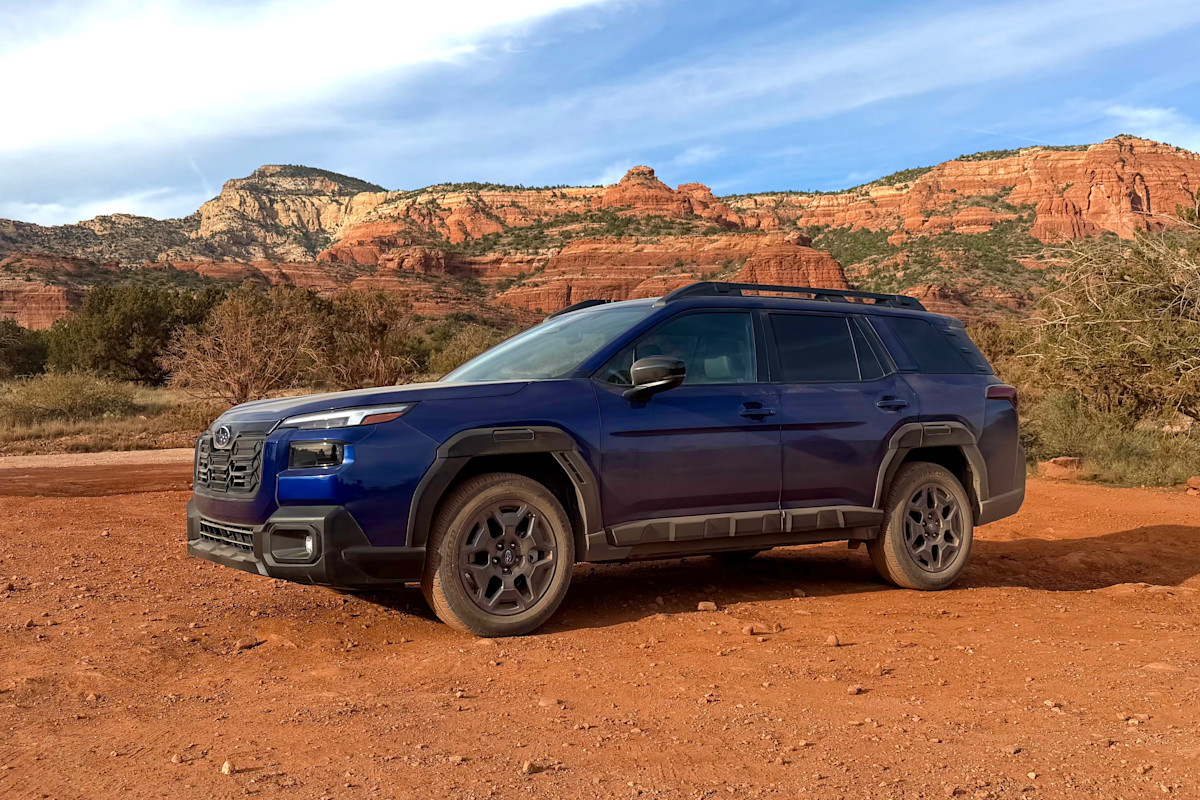
The freshly redesigned Subaru Outback continues to be the unofficial mascot of Canadian camping for good reason—it blends wagon-like practicality with genuine SUV-grade capability. Ground clearance lands at a healthy 22 centimetres in standard form and stretches to 24 centimetres in the Wilderness trim, which is more than enough to clear ruts and rocks on the way to a backcountry site. Campers will especially appreciate the beefed-up roof rack, which can hold 100 kilograms while driving and 363 kilograms when parked—easily enough to anchor a rooftop tent. Cargo space is equally impressive: 980 litres behind the rear seats, ballooning to 2,280 litres with them folded.
Power comes from a standard 2.5-litre boxer engine producing 180 horsepower, which is plenty for daily commuting and highway cruising. For buyers who regularly load up with gear or tow a trailer up steep grades, the available turbocharged 2.4-litre engine cranks out a much stronger 260 horsepower. Both pair with Subaru's signature symmetrical all-wheel drive and include the X-Mode function, which sharpens traction control on slick, loose, or uneven terrain. Subaru has also given the cabin plenty of camp-friendly touches, including wipe-down materials and storage cubbies sized for oversized water bottles.
The CarGurus Verdict: "In terms of price, performance, and practicality, we found no notable flaws with the redesigned Outback, making it a top choice for adventure-bound shoppers." - Mark Takahashi, CarGurus contributor
Read our full Subaru Outback review
CarGurus expert rating: 7.2 out of 10
CarGurus user rating: 4.5 out of 5
Percentage of good/great deals available on CarGurus: 31.3%
Overall CarGurus rating: 4.5 out of 5
| Pros |
Cons |
| Stylish design |
Middling fuel economy |
| Small-but-mighty Hurricane 4 Turbo engine |
Poor value for money |
| It's a towing and off-road champ |
|
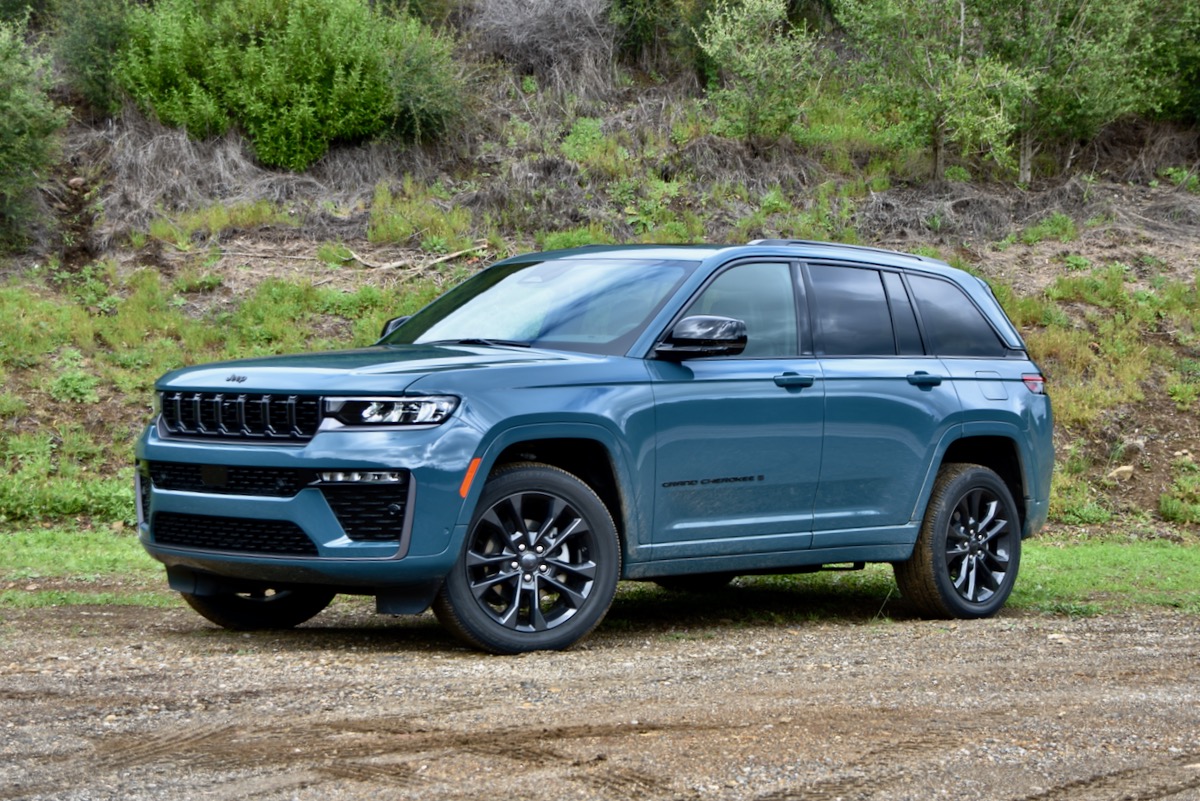
For campers whose checklist includes a boat, an ATV, or a full-sized trailer, the Jeep Grand Cherokee deserves serious consideration. It's rated to tow up to 2,810 kilograms (6,200 pounds), which covers the vast majority of recreational trailers. Inside, the standard two-row layout opens up to 1,067 litres of cargo space behind the second row and 2,004 litres with the seats down. Need to bring more people? The three-row Grand Cherokee L stretches the cabin to fit six or seven passengers while still offering 1,328 litres of cargo space behind the second row, or 2,395 litres with the rear two rows folded flat.
The headline change for this year is the new Hurricane 4 Turbo engine, a 2.0-litre four-cylinder that punches well above its size with 324 horsepower and 332 pound-feet of torque. That's more than enough to confidently merge onto the highway or charge up a mountain pass with a full load. Canadian buyers benefit from standard four-wheel drive across the range, with available upgrades such as the Selec-Terrain system and Quadra-Drive II, featuring a two-speed transfer case for serious low-range crawling. Whether drivers are navigating a logging road or a snow-covered campsite driveway, this Jeep has the tools to keep moving.
The CarGurus Verdict: "The turbo-four engine is impressive, but it can't account for the lack of a hybrid powertrain — or the price tag for the best version of this grand dame of SUVs." - Stephen Edelstein, CarGurus contributor
Read our full Jeep Grand Cherokee review
Search for Jeep Grand Cherokee
See all
CarGurus expert rating: 7.2 out of 10
CarGurus user rating: 4.7 out of 5
Percentage of good/great deals available on CarGurus: 32.8%
Overall CarGurus rating: 4.4 out of 5
| Pros |
Cons |
| Comfortable |
No hybrid option |
| Plenty of cargo space |
|
| Plenty of passenger space |
|
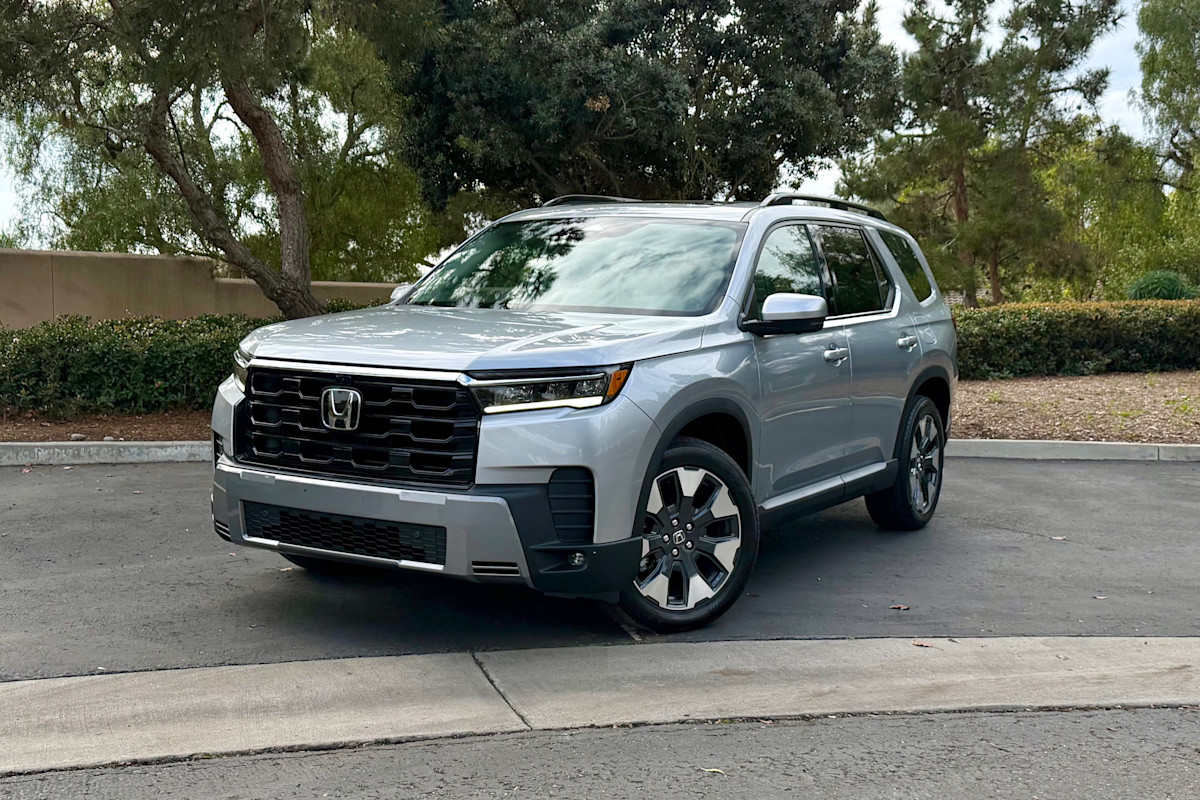
For families that camp in larger groups, the Honda Pilot is hard to beat thanks to its updated rugged styling and exceptionally clever cabin layout. All-wheel drive is now standard across the lineup, so buyers will have the traction needed for unpaved campground access roads regardless of trim level. A standout feature for camping families is the removable second-row centre seat, which can be stowed neatly under the cargo floor when it isn't needed. Speaking of cargo, there are 635 litres of room behind the third row for everyone's gear, expanding to a downright cavernous 3,219 litres with both rear rows folded.
A 3.5-litre V6 producing 285 horsepower and 262 pound-feet of torque does the heavy lifting, paired with a smooth 10-speed automatic transmission. There's enough grunt for confident highway passing even when fully loaded with family and gear, and the revised steering helps the Pilot feel stable and planted on those long stretches of highway between campgrounds. While the lack of a hybrid powertrain is a missed opportunity for efficiency, the V6 sounds confident and refined. Adventurous families should also note the TrailSport trim, which adds genuine off-road hardware for getting deeper into the backcountry.
The CarGurus Verdict: "Clever features help the Pilot stand out from other three-row SUVs. Our only major complaint is the lack of a more fuel-efficient model." - Mark Takahashi, CarGurus contributor
Read our full Honda Pilot review

CarGurus expert rating: 8.0 out of 10
CarGurus user rating: 4.7 out of 5
Percentage of good/great deals available on CarGurus: 28.4%
Overall CarGurus rating: 4.4 out of 5
| Pros |
Cons |
| Fun to drive |
On-pavement handling with all-terrain tires |
| Impressive technology |
Cramped back seat |
| Great warranty |
Not much cargo space |
Want truck utility without the bulk of a full-size pickup? The Hyundai Santa Cruz strikes a clever middle ground, pairing crossover driving manners with a genuinely useful four-foot cargo bed. Built-in features such as a lockable in-floor trunk and a retractable tonneau cover keep gear secure and dry, whether drivers are picking up firewood or stashing camping equipment overnight. Adventure-minded shoppers should check out the XRT trim, which adds standard all-terrain tires and a better approach angle for confidently rolling down rugged forestry roads.
There's only one engine on offer, but it's a good one: a turbocharged 2.5-litre four-cylinder making a stout 281 horsepower and 311 pound-feet of torque. Standard all-wheel drive keeps things planted in the rain, snow, and mud, and a 2,268-kilogram (5,000-pound) towing rating opens the door to small travel trailers or a fishing boat. The cabin punches above the Santa Cruz's price point, too, with a fresh panoramic curved display, premium materials, and standard heated front seats—a welcome amenity after a chilly evening around the fire.
The CarGurus Verdict: "Zippy, fun to drive, and equipped with tech you can't find in rivals, it's a good little sport truck if that's what you're after." - Christian Wardlaw, CarGurus contributor
Read our full Hyundai Santa Cruz review
Search for Hyundai Santa Cruz
See all
CarGurus expert rating: 6.8 out of 10
CarGurus user rating: 0.0 out of 5
Percentage of good/great deals available on CarGurus: 0.0%
Overall CarGurus rating: 3.5 out of 5
| Pros |
Cons |
| Impressive off-road abilities |
Unintuitive technology |
| Fun to drive |
No Apple CarPlay or Android Auto |
| Smart cargo and storage solutions |
|
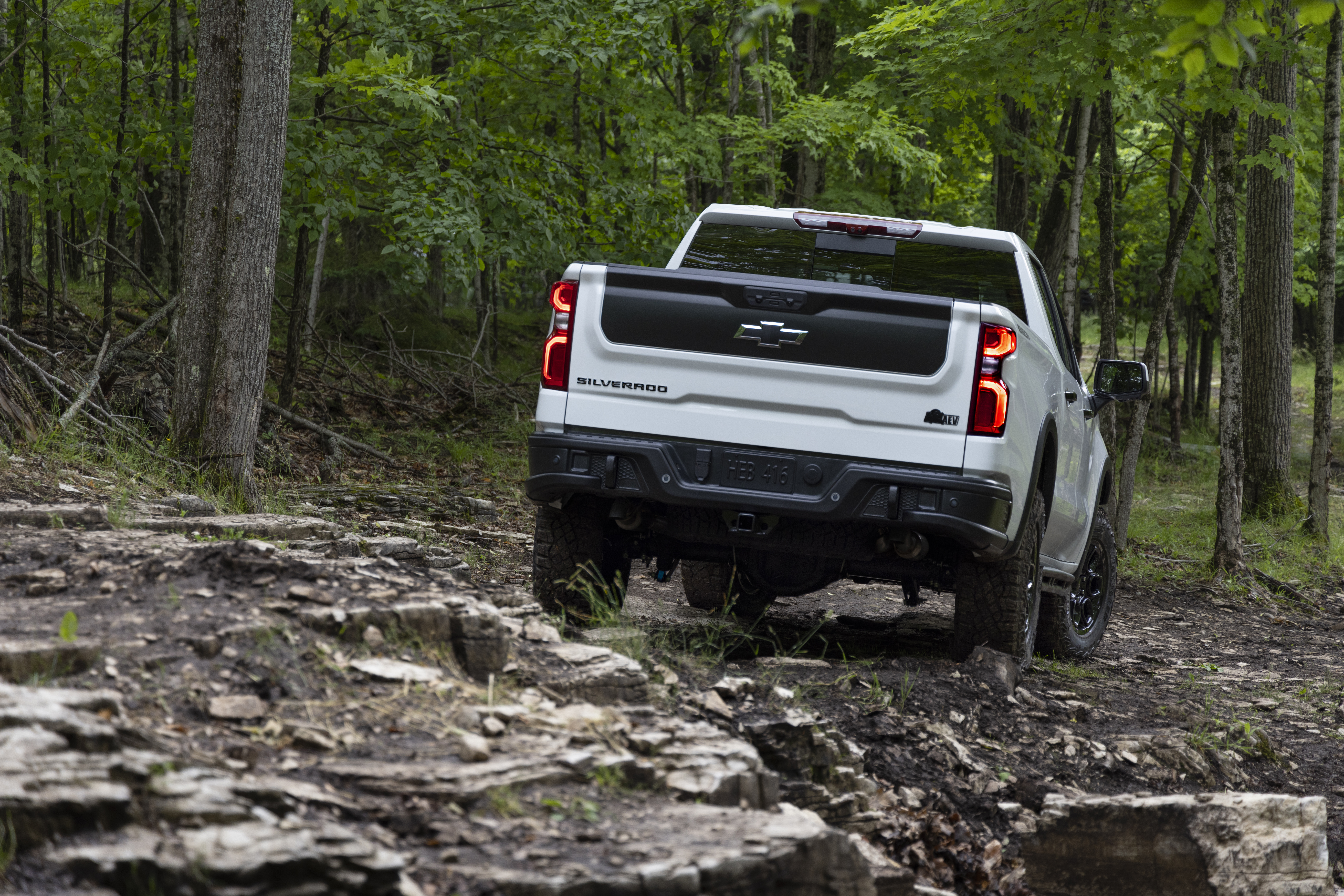
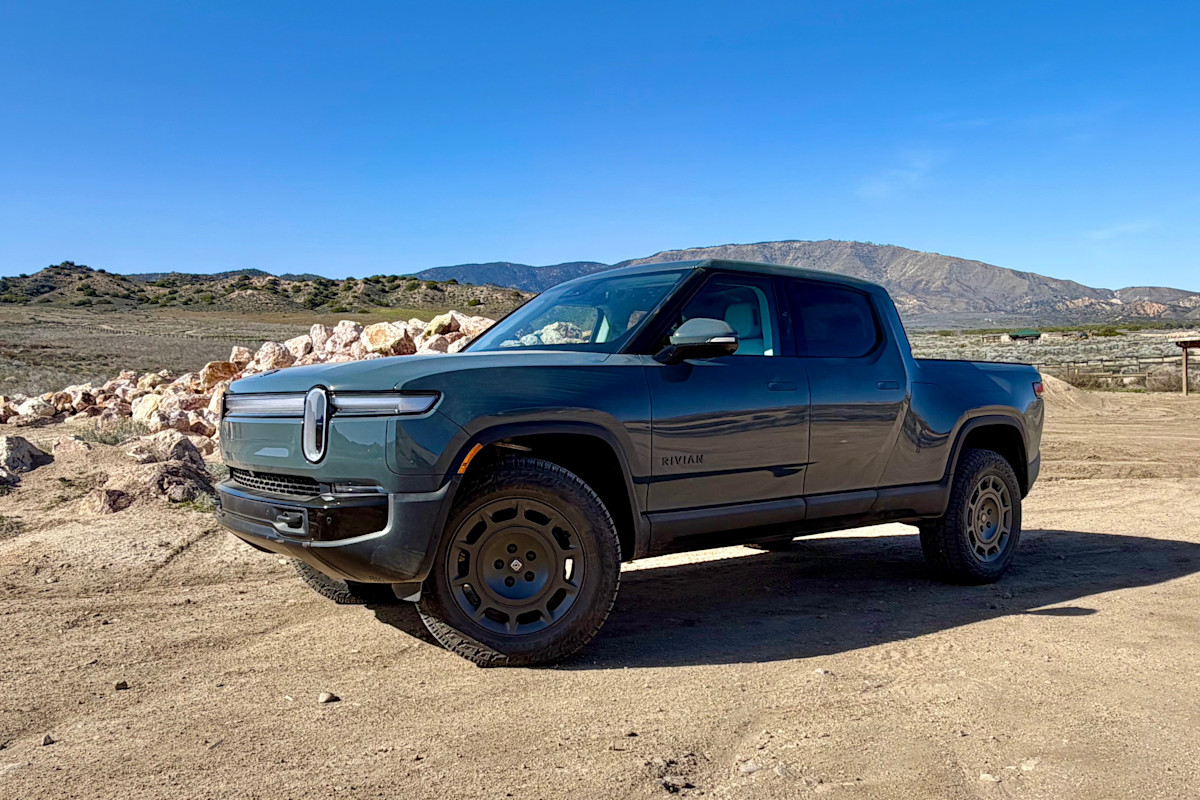
The Rivian R1T is arguably the most innovative camping vehicle on the market, taking the all-electric pickup formula and engineering it specifically for adventure-focused buyers. Its 4.5-foot bed extends via a gooseneck hinge for longer cargo, while a built-in air compressor and power outlets are perfect for inflating air mattresses or running camp accessories. The signature feature, though, is the gear tunnel—a weather-sealed pass-through located between the bed and the rear doors designed for stowing tents, fishing rods, sleeping bags, or skis. The tunnel's drop-down panels are rated to hold up to 113 kilograms each, doubling as a sturdy boot bench or an impromptu campsite seat.
When the asphalt ends, the R1T's adjustable air suspension can lift the truck to a remarkable 37.8 centimetres of ground clearance, clearing obstacles that would stop most full-size pickups in their tracks. The Quad Motor configuration produces a staggering 1,025 horsepower for outrageous acceleration, while the more efficient dual-motor variant delivers an NRCan-estimated range of up to 676 kilometres—easily enough for long-distance camping runs. Add a maximum tow rating of 4,990 kilograms (11,000 pounds) and a 311-litre frunk for additional storage, and the R1T makes a compelling case as the future of overlanding.
The CarGurus Verdict: "With an absurd amount of power, pleasing on-road manners, and nearly unstoppable off-road abilities, the Rivian R1T Quad is easily one of the best vehicles we've driven—but it's not cheap." - Mark Takahashi, CarGurus contributor
Read our full Rivian R1T review
FAQ
What features should I look for in a camping vehicle?
For most Canadian campers will likely prioritize all-wheel or four-wheel drive for unpredictable conditions, decent ground clearance for unpaved roads, generous cargo space for gear, a sturdy roof rack for rooftop tents or kayaks, and a comfortable interior for long highway drives to remote destinations. Those with trailers should also check the vehicle's towing capacity.
Do I need a body-on-frame SUV or pickup truck for camping?
Not necessarily. Body-on-frame vehicles such as the Toyota 4Runner and the Ford Bronco excel at serious off-roading and towing, but for most front-country and provincial-park camping, a capable crossover such as the Subaru Outback or the Ford Bronco Sport will handle everything drivers throw at it while delivering better fuel economy and on-road comfort.
How much cargo space do I really need for camping?
For a weekend trip for two, drivers can typically get by with 900 to 1,200 litres of cargo space. For longer trips or larger families, buyers should look for at least 1,500 to 2,000 litres with the rear seats folded. It's worth remembering that a roof rack or rooftop cargo box can dramatically expand a smaller vehicle's gear-hauling ability.
Is an electric vehicle like the Rivian R1T practical for camping in Canada?
EVs can be excellent camping vehicles thanks to features suc as onboard power outlets, but they require more planning. Canada's charging infrastructure is growing but still limited in remote areas, so drivers will want to verify charger availability along their route. The Rivian R1T's long range and built-in adventure features make it especially well-suited to those willing to plan ahead.
What's the best vehicle for towing a small camper trailer?
The Jeep Grand Cherokee leads this list with a 2,810-kilogram (6,200-pound) tow rating, easily handling most popular travel trailers. The Hyundai Santa Cruz and the Ford Bronco can also tow smaller campers, while the Rivian R1T's 4,990-kilogram (11,000-pound) capacity can handle even large fifth-wheel-style trailers.
Are these vehicles good for daily driving when I'm not camping?
Most of the vehicles on this list strike a good balance between off-road capability and daily usability. The Subaru Outback, the Honda Pilot, the Hyundai Santa Cruz, and the Ford Bronco Sport are particularly well-rounded for everyday driving. The Ford Bronco and the Toyota 4Runner are more truck-like and can feel less refined in city driving, while the Rivian R1T is surprisingly civilized for its size.
What Makes CarGurus Best Cars Guides Different?
Most car-buying websites publish lists of the best cars across a variety of categories, with recommendations driven primarily by editorial expertise. Here's what makes our best cars guides different: we combine the insights and verdicts of our team of car-testing experts with other factors that we know matter to buyers—real owner experiences and current market value.
Our expert reviewers come from some of North America and Canada's most trusted automotive publications, bringing hands-on experience testing vehicles. They put each car through its paces and create detailed reviews covering everything from form and function to performance and cost effectiveness.
But we don't stop there. We also analyze hundreds of thousands of used car listings on CarGurus.ca to track which models consistently offer the highest percentage of great deals relative to how many are listed for sale. Then we factor in user reviews and ratings gathered on CarGurus to hear from people who actually live with these cars every day. Our best cars algorithm combines expert ratings, user reviews, and the percentage of listings rated as good or great deals into a final Overall CarGurus Rating—a three-way approach that reveals not just which cars excel on paper, but which ones deliver real satisfaction and value when you're ready to buy.
*The CarGurus market data in this guide was last updated in June 2026. Values were accurate at time of publication and should be used as a guide only.*
Related Topics: