The market for affordable electric vehicles has changed dramatically in the last 12 months. Between new model launches, the return of the federal government’s EV rebates, and thousands of dollars of purchase incentives automakers are slapping on the hoods, there are more vehicles on this list of the cheapest new electric cars in Canada than ever before. We’ve found eight new vehicles that fall below $50,000 including manufacturer’s suggested retail price (MSRP) and delivery fees — and that’s before accounting for available rebates and incentives.
In light of these changes, as well as persistently high fuel prices, more Canadians are showing interest in EVs. If you count yourself among them, read on. In this article, we’ll list the Top 10 Cheapest New Electric Cars in Canada in 2026. It’s worth noting that while every car on this list is priced below $50,000, only one includes all-wheel drive (AWD) in its most affordable form. In most cases, you’ll get front-wheel drive (FWD) instead. If you’ve got a healthier budget and would like to explore AWD offerings, check out our list of the Best Electric Cars in Canada in 2026.
The most affordable new EVs in Canada include entry-level models from Kia, Tesla, Fiat, Chevrolet, Subaru, Hyundai, Toyota, Volvo, Nissan, and Ford. At the end of the article, you’ll find the answers to some frequently asked questions about Canada’s EV rebates and how they can save you even more money off the list price for certain EVs.
Prices shown were correct as of this writing but are subject to change. Note that we’ve listed the prices excluding available manufacturer incentives, which frequently change without notice. Incentives that were available as of this writing are shown in brackets beside the MSRPs.
Cheapest New Electric Cars in Canada in 2026
- 2026 Kia EV4: $41,180
- 2026 Tesla Model 3: $41,990 (Premium RWD)
- 2026 Fiat 500e: $42,190 (-$8,000 incentive)
- 2027 Chevrolet Bolt: $42,599
- 2026 Subaru Uncharted: $43,590
- 2027 Kia EV5: $45,680
- 2026 Hyundai Kona Electric: $46,199
- 2026 Toyota C-HR: $46,830 (-$5,000 incentive)
- 2026 Nissan Leaf: $47,198
- 2026 Kia Niro EV: $47,630 (-$3,000 incentive)
- 2026 Toyota bZ: $47,920 (-$5,000 incentive)
- 2026 Ford Mustang Mach-e: $47,990 (-$1,500 incentive)
- 2026 Chevrolet Equinox EV: $48,799 (-$6,000)
- EVs That Miss the List
- FAQs
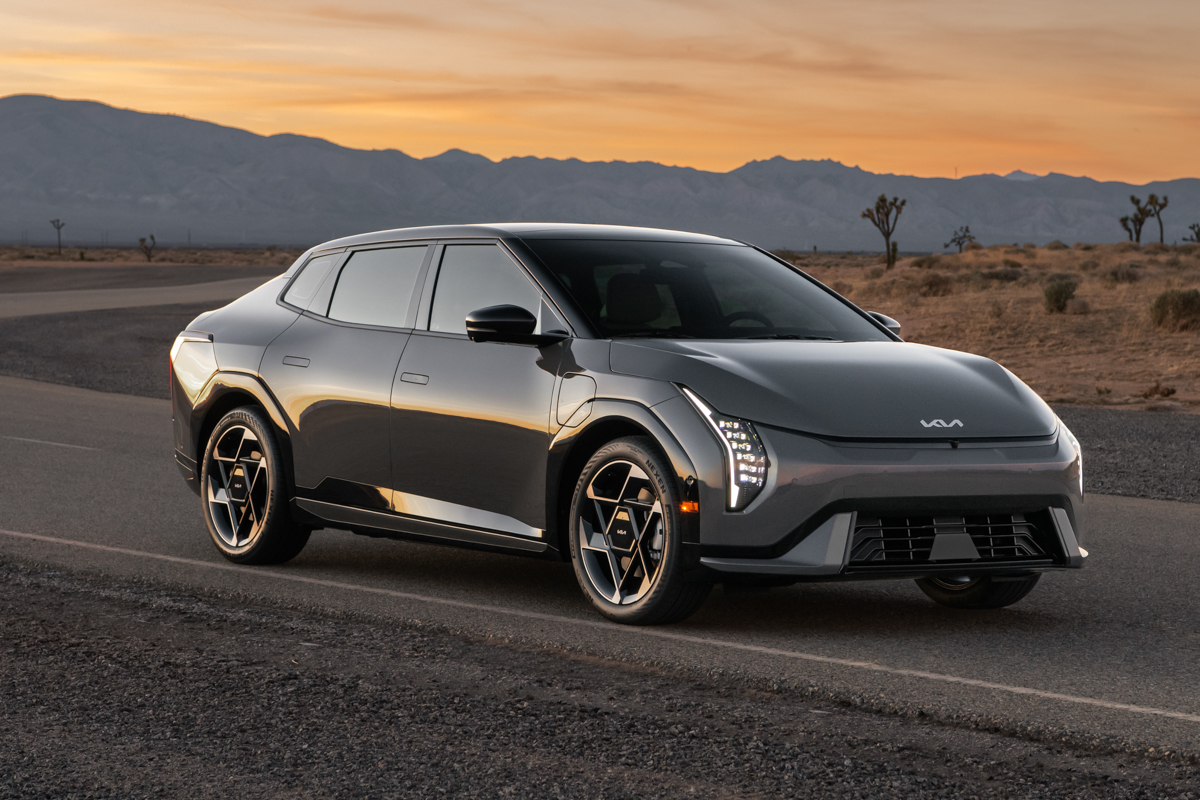
2026 Kia EV4: $41,180
In terms of outright MSRP, the all-new 2026 Kia EV4 is the most affordable new EV in Canada. (That’s before factoring in manufacturer incentives, though. More on that in a moment.)
Kia’s new entry-level electric sedan may have a low price, but its underpinnings are hardly budget. It’s built on Hyundai Motor Group’s E-GMP platform, which it shares with popular and more expensive models like the Hyundai Ioniq 5 and Ioniq 9, the Kia EV6 (now discontinued) and EV9, and the Genesis GV60. In this case, it uses a 400-volt architecture and a North American Charging Standard (NACS) charging port, which means it can be charged at certain Tesla Supercharger and Destination charging stations. Power output for all models is 201 hp and 209 lb-ft of torque.
In its most affordable configuration, the 2026 Kia EV4 Light FWD has a 58.3 kWh lithium-ion battery and a range of 391 kilometres. Higher trims come with an 81.4 kWh battery, a heat pump for better winter efficiency, and a maximum range of 552 kilometres. Those features start at the Wind FWD trim at an MSRP of $45,180, which would still fall well within this list of cheap EVs. All trims of the 2026 Kia EV4 qualify for the federal government’s EVAP rebate program, which takes another $5,000 off the after-tax price.
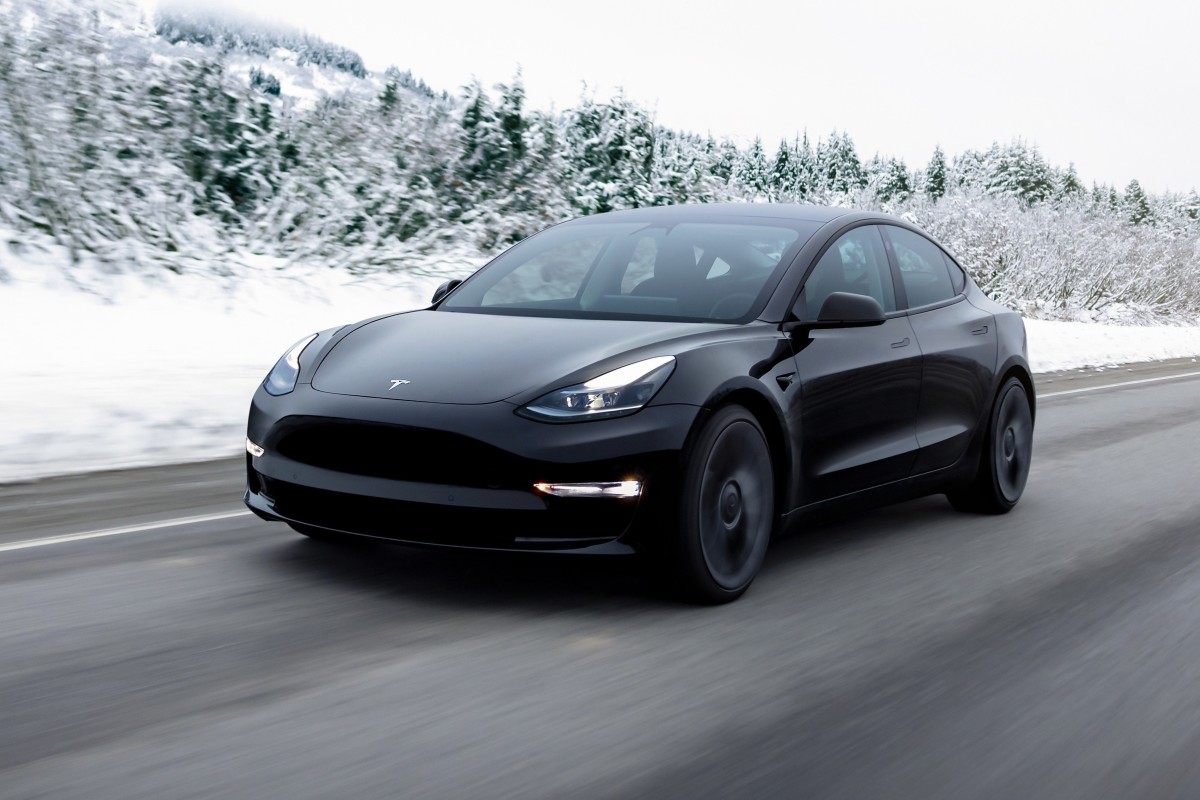
2026 Tesla Model 3: $41,990 (Premium RWD)
Tesla has been a major beneficiary of Canada’s reduced import tariffs on a limited number of Chinese EVs. Within six months, we went from a base price of more than $60,000 to a starting price of just under $42,000 fees in.
The version of the Model 3 available at that bargain basement price is the Premium Rear-wheel Drive (RWD), which includes a 64-kWh battery with 463 km of range along with 291 hp and 298 lb-ft of torque. Unfortunately, because this change happened so quickly, other specs for the car are not available on the Tesla Canada website as of this writing. Be sure to ask plenty of questions about what features are included before you commit to a purchase.
It’s also important to note that the Tesla Model 3 does not qualify for the federal government’s Electric Vehicle Affordability Program. This is because the more affordable Tesla Model 3s are built in China, and the federal EV rebates only apply to countries with free trade agreements with Canada.
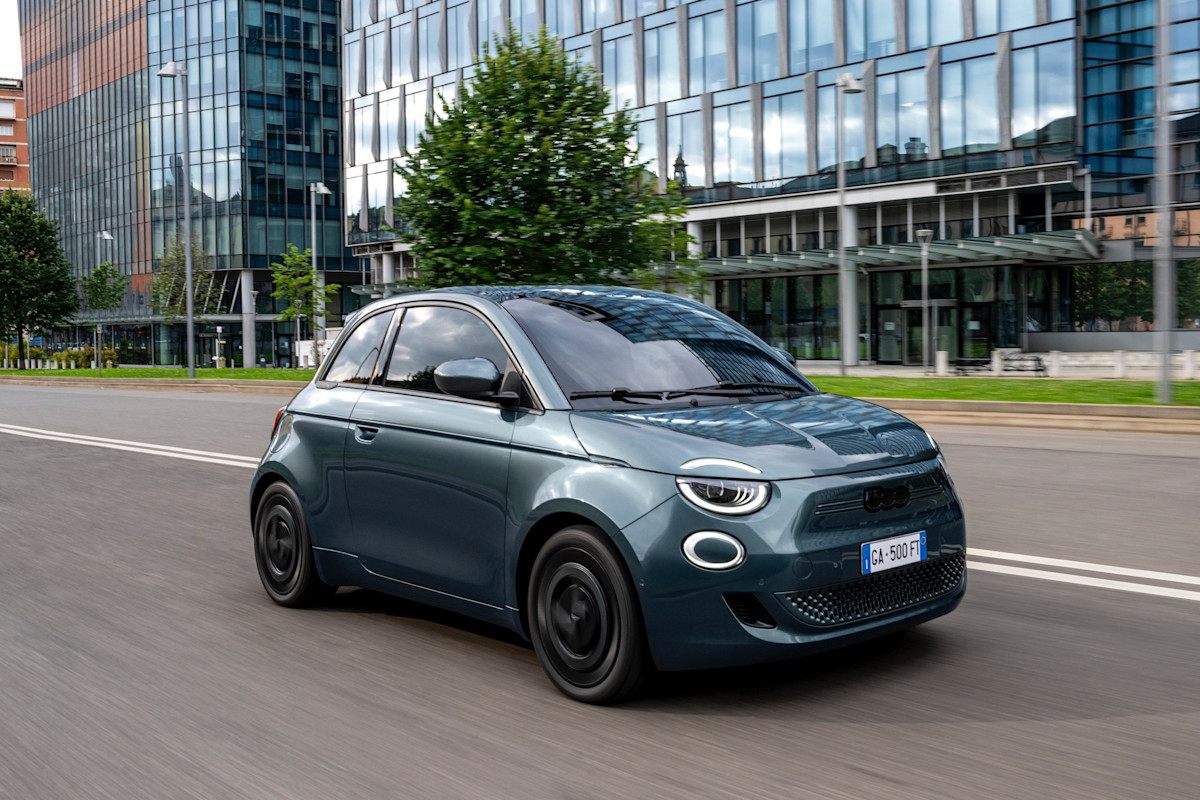
2026 Fiat 500e: $42,190 (-$8,000 incentive)
While the Fiat 500e hatchback is not the cheapest EV in Canada by outright MSRP, an $8,000 purchase incentive is available as of this writing that brings the price down to $34,190 including destination charges. With this factored in plus the available federal EV rebate, the final price dips below $30,000.
The Fiat 500e’s tiny demeanour extends to its driving range and power output, which measure up at 227 km and 117 hp respectively. It’s available exclusively with front-wheel drive (FWD). But the 500e is capable of both household and DC fast charging, its 42-kWh battery is covered by a transferable 8 year or 160,000 km warranty, and its fun exterior and interior designs help it stand out. Can the Fiat 500e succeed where others have bowed out and convince Canadians that a commuter EV will meet their needs? Time will tell.
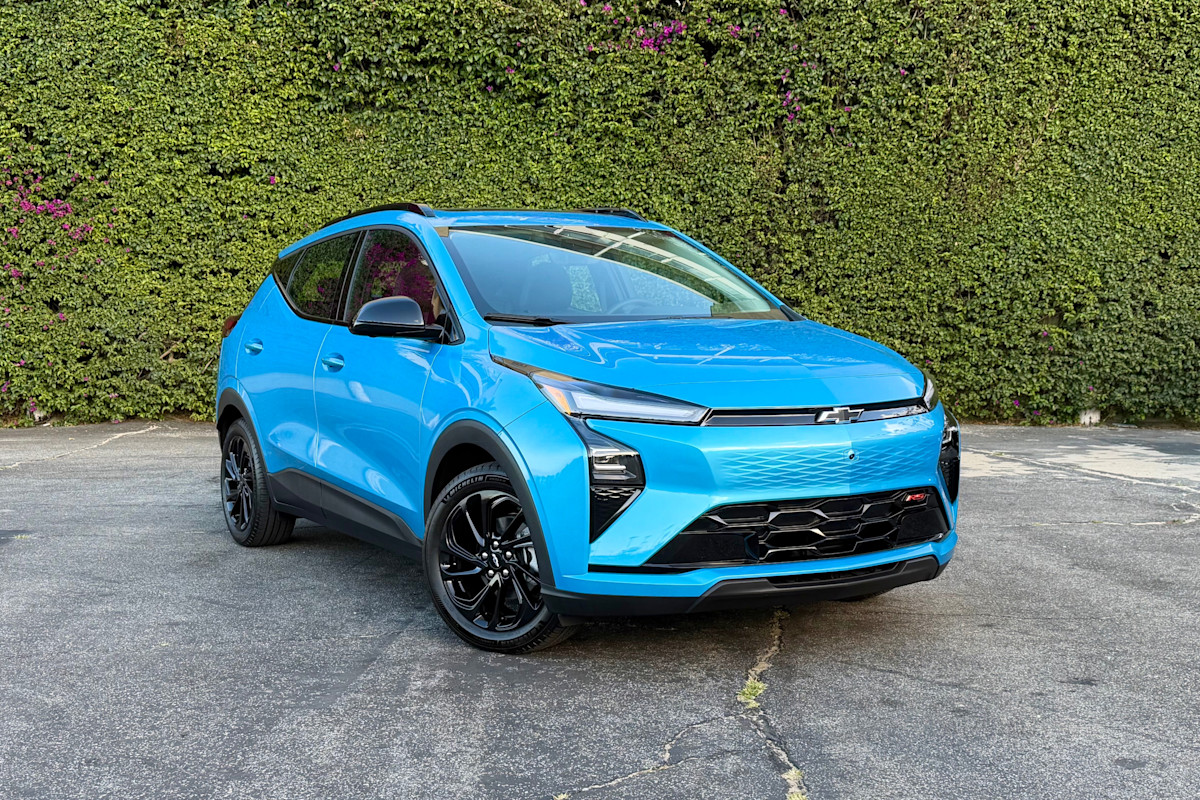
2027 Chevrolet Bolt: $42,599
Chevrolet Bolt, we hardly new ye. As quickly as the Bolt reappeared on the Canadian market early in 2026 after a two-year hiatus, it was announced it will be discontinued again sometime in 2027. In the meantime, the current Bolt is a well-priced and efficient EV. It’s based on the car previously known as the Bolt EUV, while the original Chevrolet Bolt EV remains off the market. The current Bolt also qualifies for the federal EVAP rebate of $5,000.
Range on the 2027 Chevy Bolt measures up at 422 kilometres from a 65-kWh battery, and it can handle Level 3 charging speeds of up to 150 kW.
While much of the 2027 Bolt is a refresh, there are a couple of key changes. It uses the X76 permanent-magnet motor with 210 horsepower and 176 pound-feet of torque, which first appeared in the Chevrolet Equinox EV, as well as a NACS charging port and available Super Cruise hands-free highway driving, which can be equipped on the base LT trim for an extra $4,200. What the 2027 Bolt doesn’t include is Apple CarPlay and Android Auto. Instead, General Motors has opted for a Google built-in operating system with native Google Maps.
Search for Chevrolet Bolt EV
See all
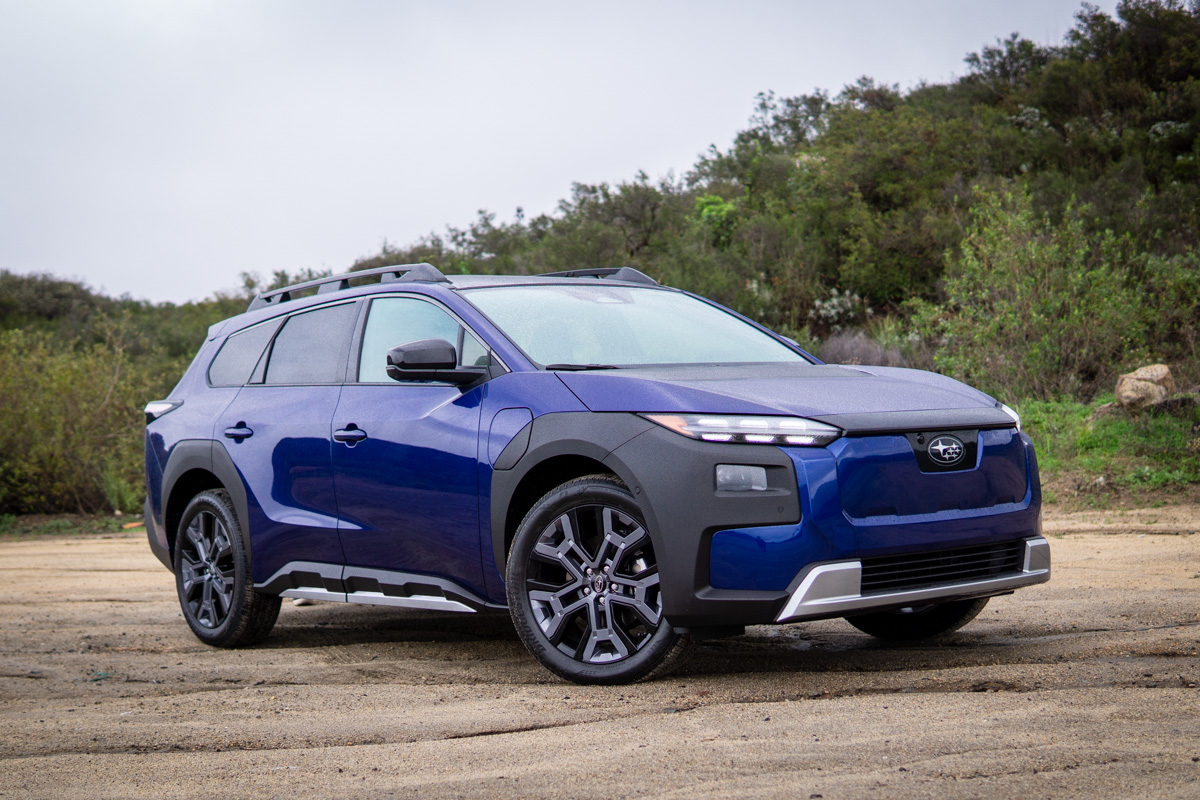
2026 Subaru Uncharted: $43,590
Subaru and Toyota have engaged in plenty of manufacturing partnerships over the years. In this case, the Subaru Uncharted is closely related to the new Toyota C-HR, which you’ll find detailed below.
The Subaru Uncharted is a new subcompact EV with varying levels of range and power depending on your budget. In its base format, the Uncharted comes with 165 hp and 399 km of range from its 57.7-kWh battery. The standard 14-inch touchscreen infotainment system includes wireless Apple CarPlay and Android Auto functionality, and desirable features like a wireless charging pad, heated front seats, and a heat pump are standard.
What’s not standard that Subaru fans are used to seeing, though, is AWD. In its two base trims, the Uncharted comes with FWD only. Upgrading to the Long-range version brings range to 496 km and power to 221 hp for $4,000 extra. You’ll make up that difference in the $5,000 federal EVAP rebate for which the Subaru Uncharted qualifies.
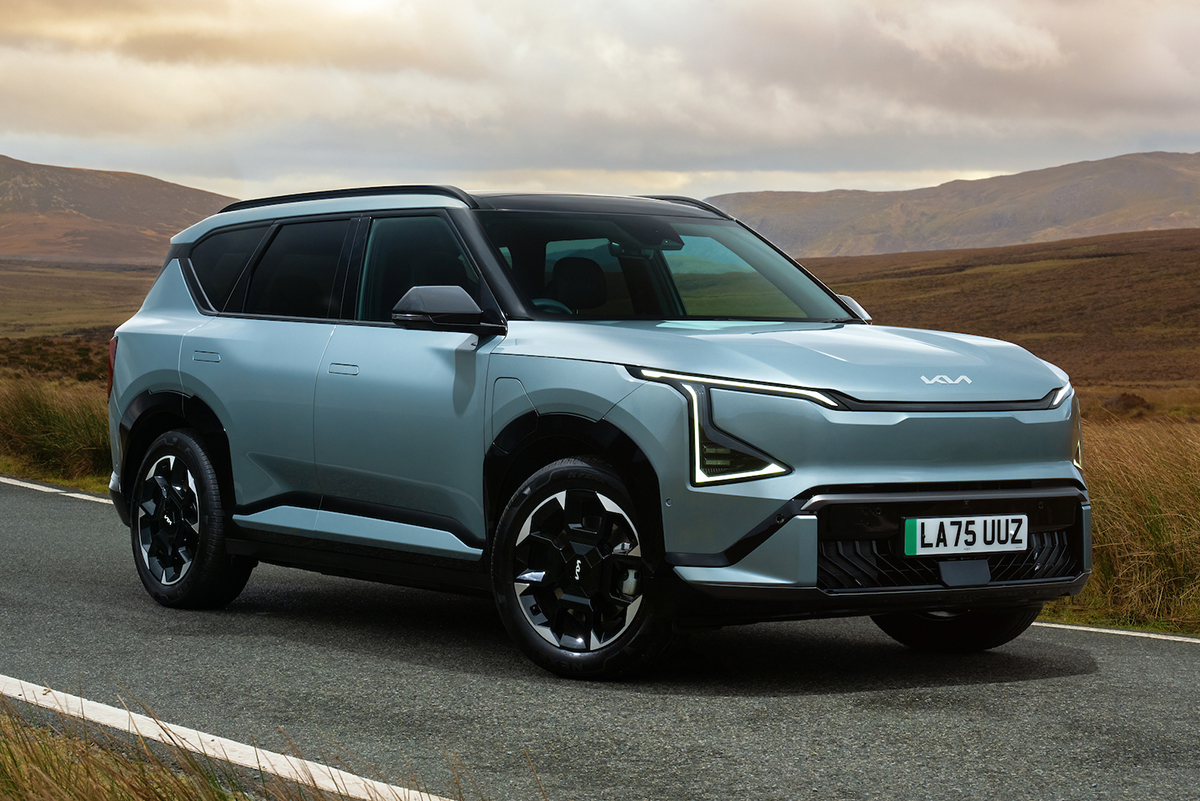
2027 Kia EV5: $45,680
Kia calls its new EV5 a midsize SUV. With a length of 4,610 mm and a wheelbase of 2,750 mm, which isn’t far off a Toyota RAV4, we’d argue the Kia EV5 is better classified as a compact SUV. Either way, its styling and upright proportions make it look much more like a baby EV9 than the Kia EV6 did, which was discontinued after the 2025 model year.
In its most affordable format, the Kia EV5 Light FWD receives 335 km of range from its 60.4 kWh battery and has power specs of 154 hp and 218 lb-ft of torque along with a peak charging rate of 150 kW with its 400-volt architecture. The EV5 Wind FWD, which would still qualify for this list at a delivery-included price of $49,680, increases range to 457 km from its 81.4-kWh battery and adds a heat pump for better winter efficiency. Both versions of the EV5 qualify for the federal government’s $5,000 EV rebate.
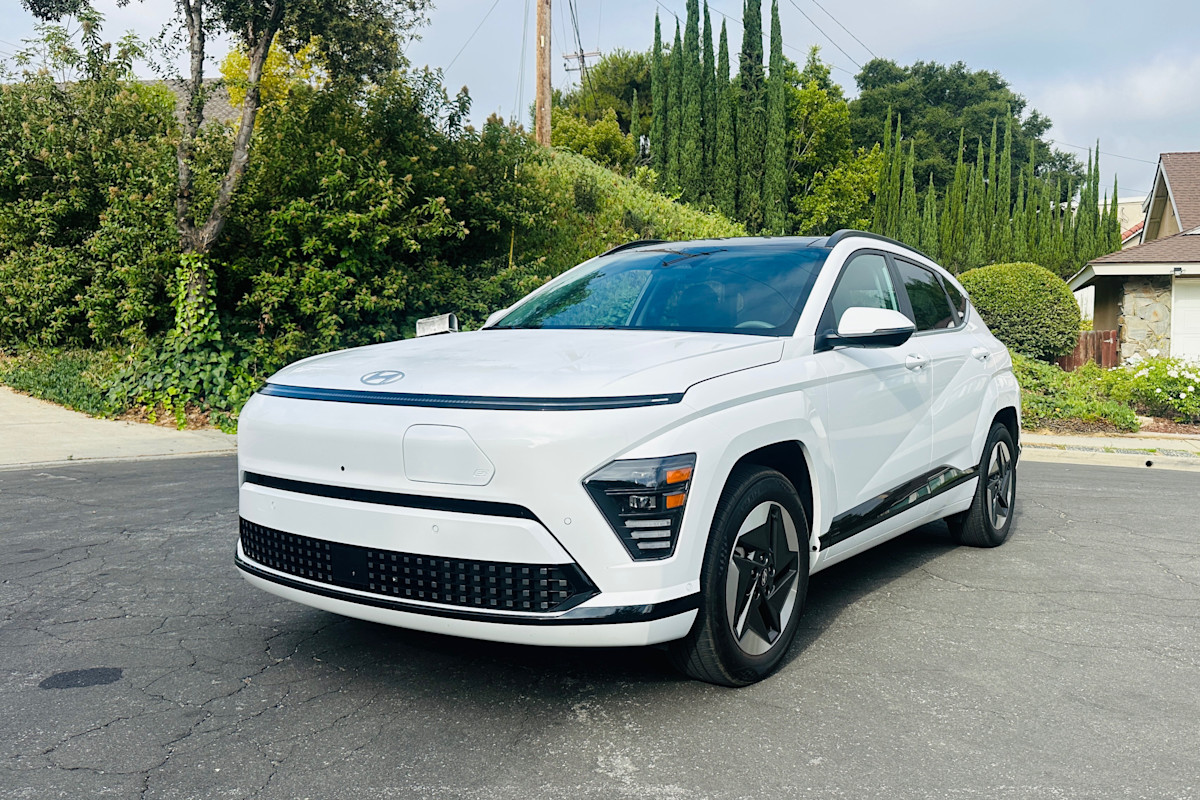
2026 Hyundai Kona Electric: $46,199
Hyundai released a new generation of its Hyundai Kona Electric for the 2024 model year as part of the redesign for the subcompact SUV’s second generation. Available for 2026 in a single Preferred trim with Trend and Ultimate package options, the Kona Electric is configured with FWD. Its 64.8-kWh battery and 150-kW electric motor are the same found in the related Kia Niro EV listed below.
Some may see the Kona’s styling as highly futuristic, while others might view it as quirky. Either way, it’s distinctive. And with the Kona Electric’s 201 hp, 188 lb-ft of torque, and 420 km range, it delivers an impressive balance of performance versus price. And you can take an extra $5,000 off the after-tax price thanks to the federal EVAP rebate.
Search for Hyundai Kona Electric
See all
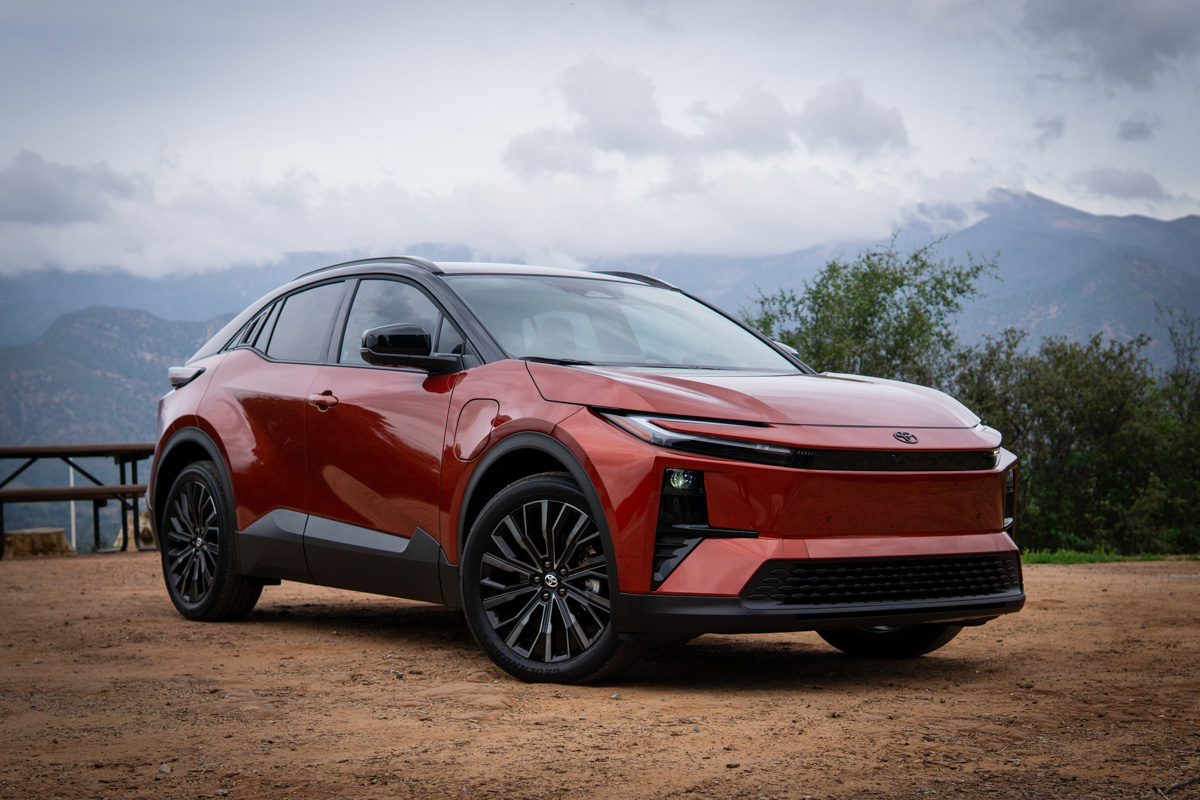
2026 Toyota C-HR: $46,830 (-$5,000 incentive)
While the Subaru Uncharted beats the related Toyota C-HR’s price on base MSRP, Toyota’s $5,000 manufacturer incentive on offer as of this writing drops the C-HR lower. Add in the $5,000 federal EVAP rebate for which the C-HR qualifies, and its base price is less than $40,000.
In its most affordable format, the 2026 Toyota C-HR SE FWD has a driving range of 496 km and power output of 221 hp. It also comes with a NACS charging port and several key features such as power-adjustable and heated front seats, a heated steering wheel, 18-inch alloy wheels, a 14-inch infotainment system, a smartphone-based digital key feature, twin wireless phone chargers, and safety features like blind spot monitoring, rear cross-traffic alert, and safe exit alert.
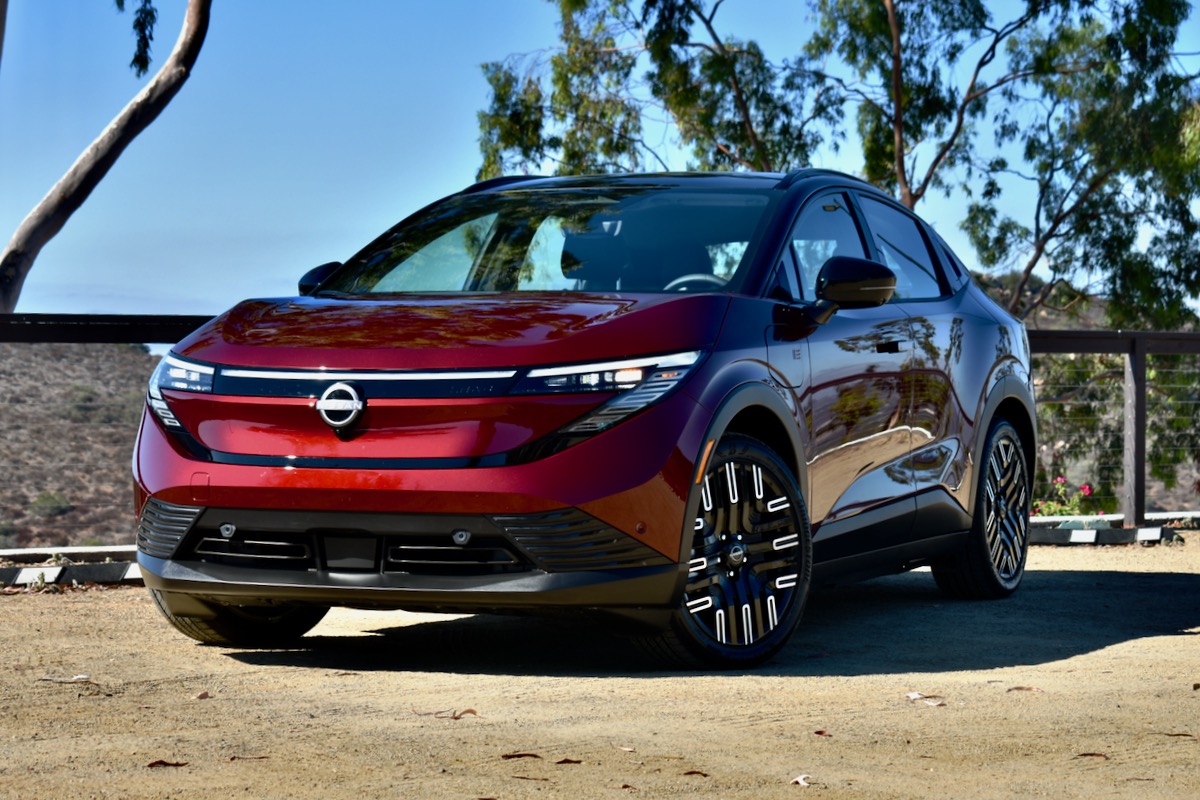
2026 Nissan Leaf: $47,198
One of the first mass-production EVs to arrive to the Canadian market remains one of the most affordable. And while there was talk for a while of phasing it out, the Leaf has endured and entered its third generation for 2026. However, the budget S trim’s launch has been delayed, which is why the Leaf appears higher than usual on this list of the cheapest EVs.
That leaves the SV Plus with FWD as the most affordable version of the 2026 Nissan Leaf, which is priced well enough to qualify for an additional $5,000 rebate through federal EVAP incentives. With this, you’ll receive a 75-kWh battery with 488 km of range, 214 hp and 261 lb-ft of torque, and a NACS port for fast charging plus an a J1772 (partial CCS) port to have multiple options for home charging. It’s capable of fast charging at up to 150 kW and also has plug and charge capability that will set up payment at participating charging networks without having to open an app.2025 Polestar 2: $54,950
The Polestar 2 is a car that deserves more attention than it’s received. It’s got solid Volvo underpinnings, quality finishes, great drive dynamics, an available massive panoramic sunroof, and impressive power and range. Mostly, the Polestar brand suffers from a lack of reach and awareness since its studios are mainly based in major cities. Not only is the base single-motor Polestar 2 available for less than $55,000, but Polestar is putting another $5,000 on the hood as of this writing. The single-motor version has 299 hp and a range of 505 kilometres with 19-inch wheels. Two higher-priced dual-motor (AWD) versions are also available, one with 421 hp and 447 km of range and another with a Performance Pack delivering 476 hp and 408 km of range.
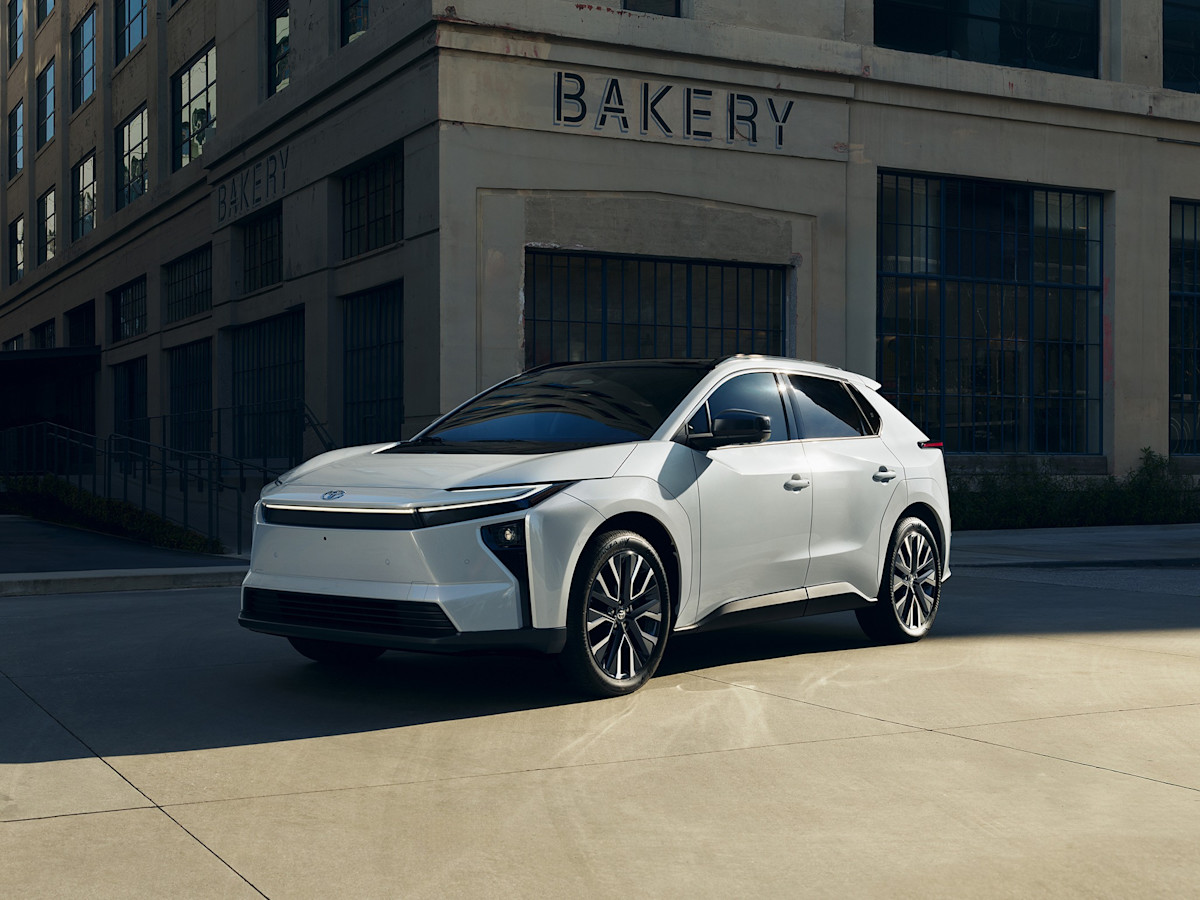
2026 Toyota bZ: $47,920 (-$5,000 incentive)
Toyota has a very long history with electrified cars, so it’s surprising that it took until the 2023 model year for the brand to launch a dedicated electric vehicle. In its previous form as the Toyota bZ4X, this EV had a rocky start. In 2025, a midcycle refresh brought some important change and a rename to the simpler bZ, which qualifies for the federal EVAP rebate program.
In its lowest-priced format, the bZ XLE FWD has 168 horsepower and 380 km of range. The rest of the trims come with AWD, but this plus other features push them beyond $50,000 in MSRP, although the $5,000 manufacturer incentive available on all models pulls the XLE AWD down below this benchmark. Note the Subaru Solterra, which was developed concurrently with the bZ and shares its dimensions and components, doesn’t make this list as its starting price is above $50,000. However, the Solterra does offer standard AWD.
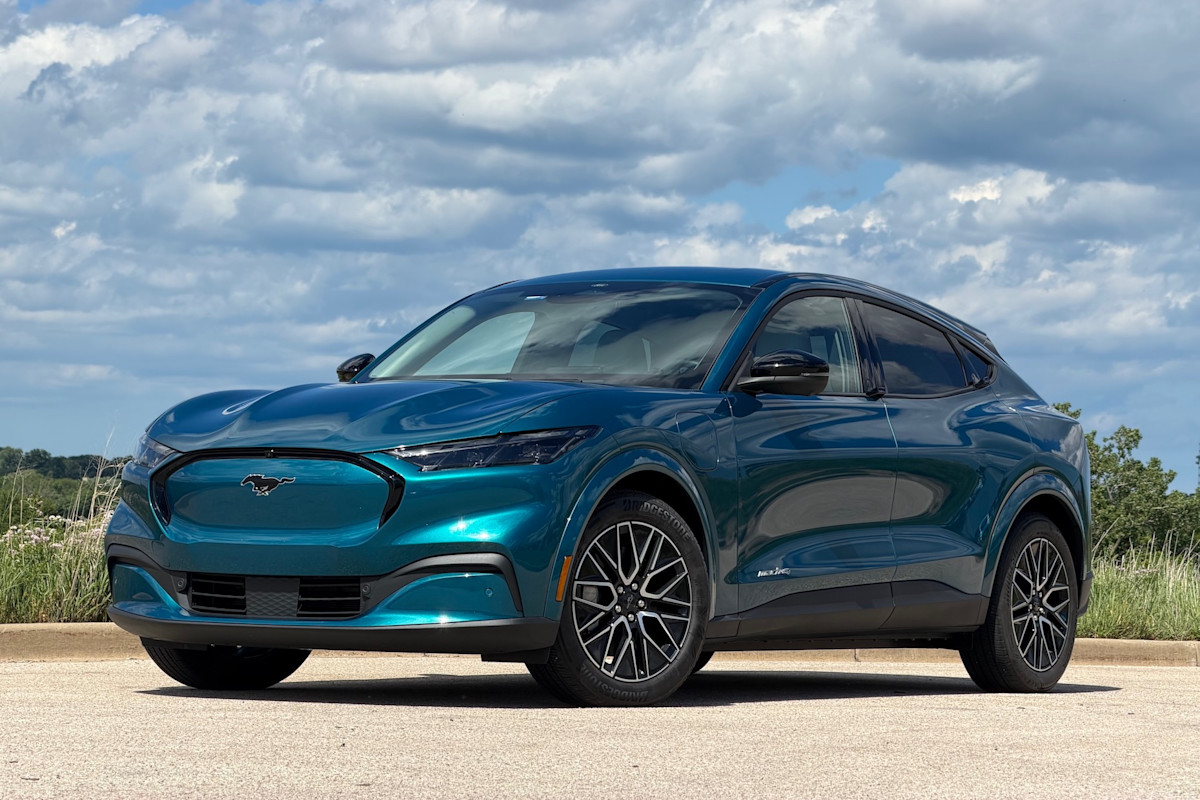
2026 Ford Mustang Mach-e: $47,990 (-$1,500 incentive)
We’re pleasantly surprised to report that the Ford Mustang Mach-e has seen some price cuts over the last year that drop its price below $50,000 in Canada. This makes it the only EV in its size class to make this list of the cheapest electric cars in Canada as opposed to higher-priced competitors such as the Hyundai Ioniq 5, Nissan Ariya, and Volkswagen ID.4.
Two trims of the Mach-e are now priced before $50,000. The base Select trim, at $47,990 before a $1,500 incentive available as of this writing, has a 73-kWh battery with 380 km of range. It also comes with electric AWD as standard, making it the only EV on this list to offer this drivetrain in its most affordable configuration.
The second-tier Premium trim, which just barely slides in below $50,000 including destination charges, also comes with the 380-km standard range battery and eAWD. An extended-range battery is available on both trims that has an 88-kWh usable capacity and a range of up to 483 km.
The Ford Mustang Mach-e qualifies for a $5,000 rebate through the federal EVAP program.
Search for Ford Mustang Mach-e
See all
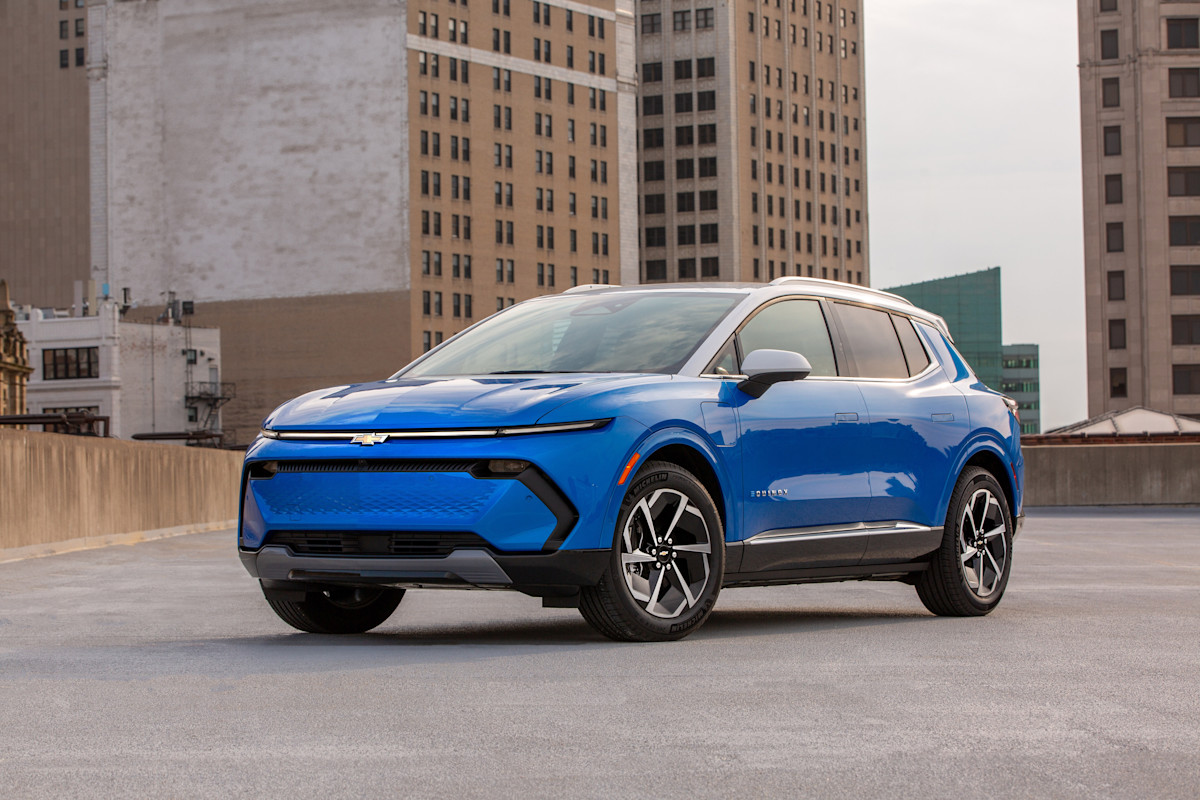
2026 Chevrolet Equinox EV: $48,799 (-$6,000)
The Chevrolet Equinox EV debuted alongside the new generation of the internal combustion engine Chevrolet Equinox for the 2024 model year, although the two vehicles are not related. In its cheapest electric form, the Equinox EV comes with up to 513 km of range from its 85-kWh battery and 220 hp from a single motor for FWD. While the 17.7-inch centre touchscreen is impressive looking and the largest in its class, its Google built-in infotainment system doesn’t include Apple CarPlay or Android Auto.
Several versions of the Chevrolet Equinox EV qualify for the federal EVAP rebate of $5,000, including the LT base trim with AWD, which costs $3,500 extra. Add in the $6,000 worth of manufacturer incentives available as of this writing, and you’ll save nearly $11,000 off the list price.
We’re pleasantly surprised to report that the Ford Mustang Mach-e has seen some price cuts over the last year that drop its price below $50,000 in Canada. This makes it the only EV in its size class to make this list of the cheapest electric cars in Canada as opposed to higher-priced competitors such as the Hyundai Ioniq 5, Nissan Ariya, and Volkswagen ID.4.
Two trims of the Mach-e are now priced before $50,000. The base Select trim, at $47,990 before a $1,500 incentive available as of this writing, has a 73-kWh battery with 380 km of range. It also comes with electric AWD as standard, making it the only EV on this list to offer this drivetrain in its most affordable configuration.
The second-tier Premium trim, which just barely slides in below $50,000 including destination charges, also comes with the 380-km standard range battery and eAWD. An extended-range battery is available on both trims that has an 88-kWh usable capacity and a range of up to 483 km.
The Ford Mustang Mach-e qualifies for a $5,000 rebate through the federal EVAP program.
Search for Chevrolet Equinox EV
See all
EVs That Miss the List
While we restricted our list to EVs that are priced below $50,000 in 2026, there are some options that don’t cost a whole lot more.
With standard AWD driving the price up, the Subaru Solterra misses the mark just slightly with a base price of $50,590 including delivery fees.
The 2026 Volvo EX30 is a premium subcompact crossover, the smallest SUV Volvo has ever made, and it starts at $51,100.
On a technicality, the 2025 Volkswagen ID.4 misses this list. Production has already ended for North America, but there are still a few kicking around at dealerships starting from $50,695. However, there is a $6,000 manufacturer incentive available as of this writing that brings the actual price you’ll pay below $50,000 and also makes the federal EVAP rebate available.
While the Tesla Model 3 has a bargain-basement trim available for 2026, the Tesla Model Y crossover does not at a base price of $52,490.
The 2026 Nissan Ariya is in the same boat as the ID.4, though the margin is thinner. Its lowest-priced trim comes in at $55,098 including freight and PDI, while a $6,000 manufacturer incentive allows it to slide in just under $50,000.
FAQs
What are the changes to the iZEV rebate program?
To qualify for the Canadian federal government’s Electric Vehicle Affordability Program (EVAP) of up to $5,000, a car must have a final transaction value of $50,000 or less and come from a country that has a free trade agreement with Canada. Canadian-made EVs or plug-in hybrid vehicles (PHEVs) are not subject to the transaction value cap and qualify for the rebate regardless of its final price.
Can I apply for a provincial or territorial EV rebate?
As of 2026, only two provinces have rebate programs in Canada. Quebec’s Roulez Vert program is in its final year and offers up to $2,000 for a fully electric vehicle and up to $1,000 for a PHEV. This program concludes as of January 1, 2027. In Manitoba, a battery electric vehicle (BEV) qualifies for a rebate of up to $4,000. This program was extended as of March 31, 2026, but the details of the extension have not been clarified as of this writing.
Is it worth buying one of the cheapest EVs?
Yes. Buying a cheap EV in Canada provides great value. Not only will you pay a lower price up front, but you’ll also benefit from the additional discount from the federal government’s EVAP rebate. On top of that, EVs cost less to maintain than gas vehicles, and you’ll save money by driving on electricity instead of fuel, which is becoming increasingly expensive.
Note: Images may show US models.
Related Topics:


