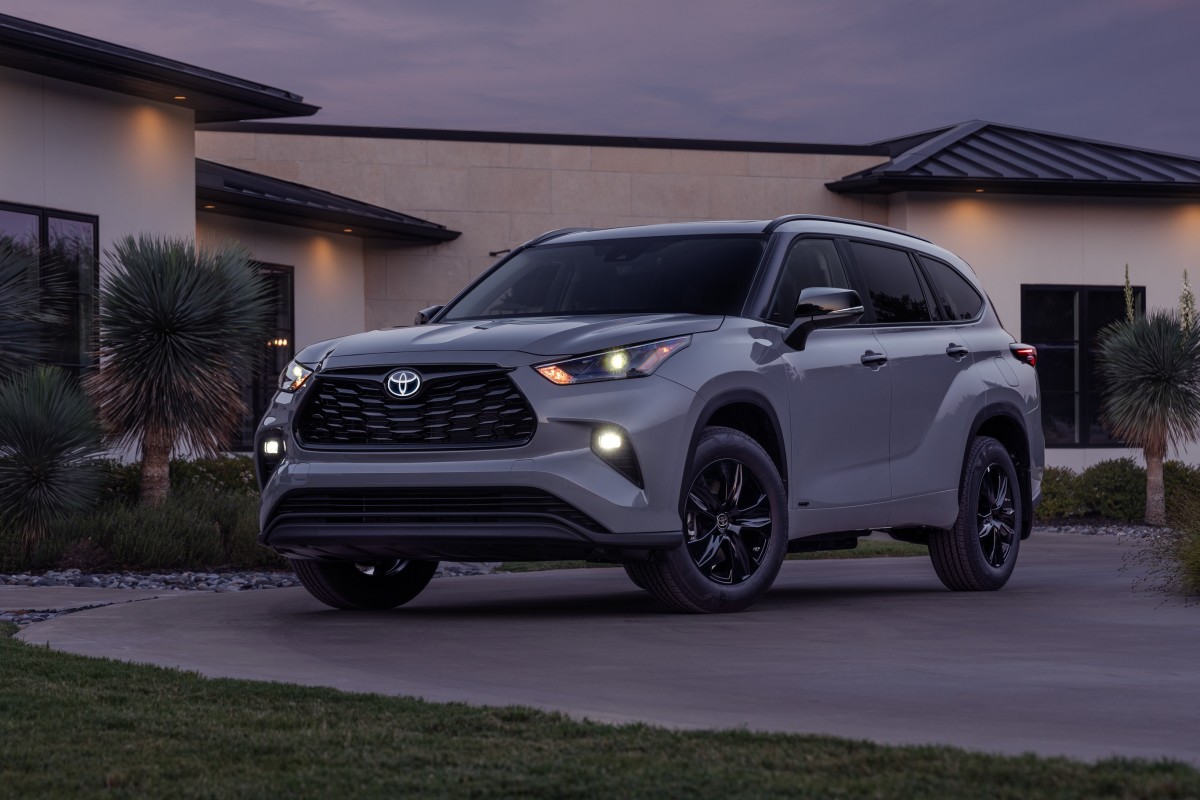
Just when you thought Toyota had maxed out its SUV range, it managed to squeeze an all-new model into the lineup when it introduced the Toyota Grand Highlander for the 2024 model year. If you looked closely enough, there was a gap between the regular Highlander, a smaller midsize three-row crossover, and the Toyota Sequoia, a full-size truck-based three-row SUV. That’s the space the Grand Highlander occupies as a spacious, seven-seat family crossover that provides extra practicality over the Highlander without the higher ownership costs and on-road compromises of a large, rugged SUV.
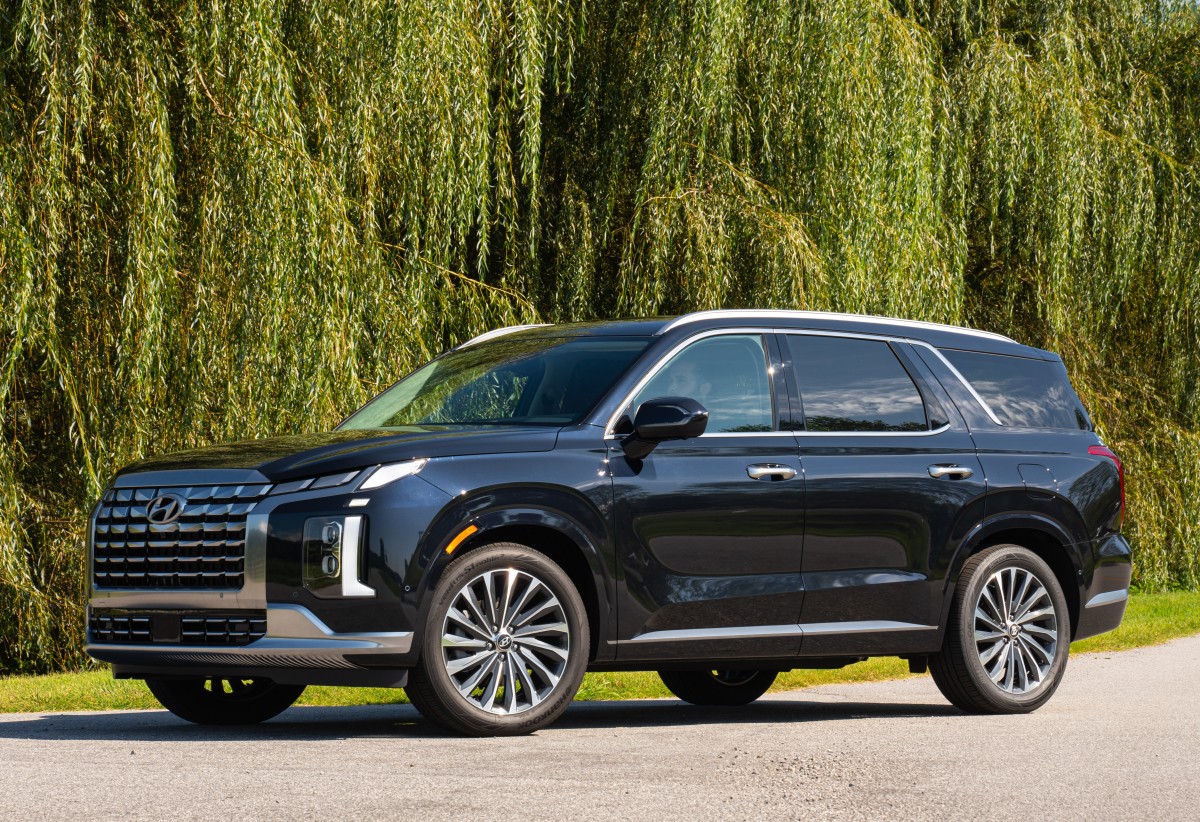
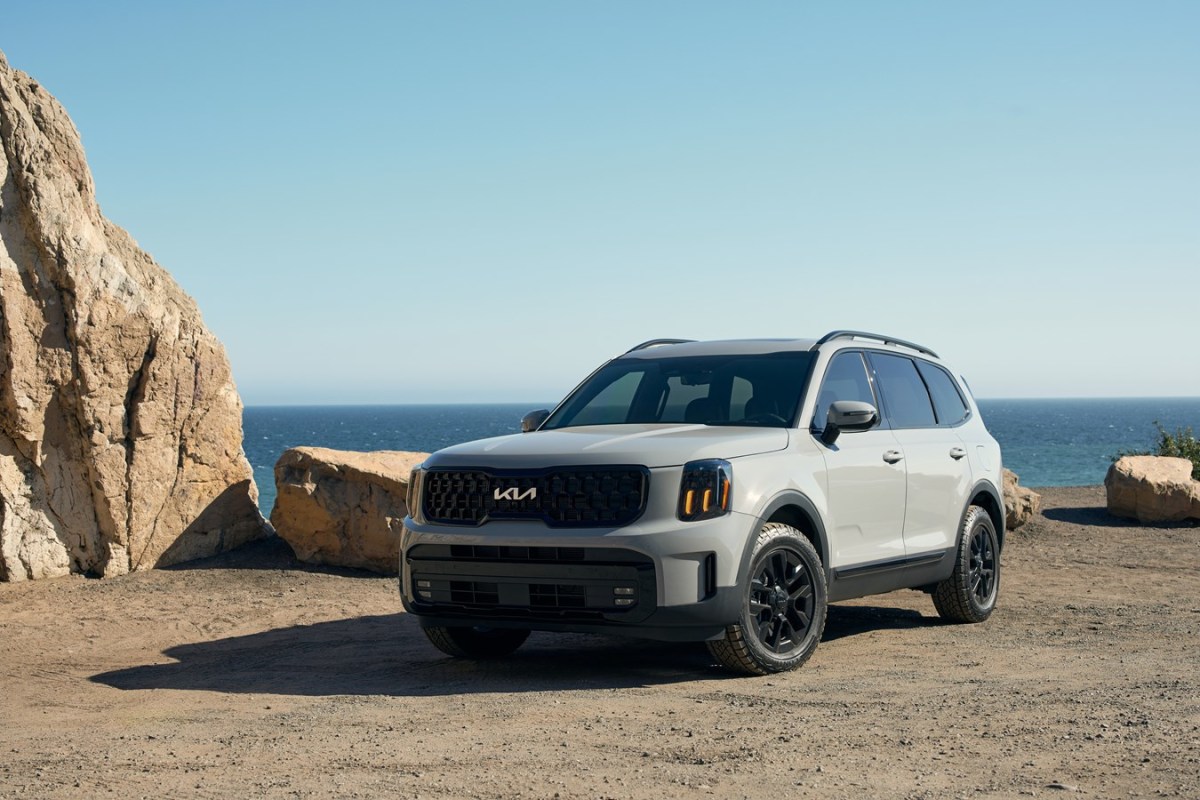
Despite the name, the Grand Highlander shares surprisingly little with the standard Highlander. The two cars are built on the same basic platform (called TNGA-K) and use most of the same powertrains. However, the Grand Highlander is larger in every dimension and has a totally different look inside and out. Compared with other Toyota SUVs, the Grand Highlander is longer, wider, and lower than the 4Runner and Land Cruiser and has a longer wheelbase. It’s a beast by midsize standards, dwarfing the brand’s smaller SUVs such as the Corolla Cross and rivalling the Tacoma and Tundra pickups for cargo capacity. It’s also longer than rivals such as the Hyundai Palisade and Kia Telluride.
At launch, Toyota made much of the fact that the Grand Highlander has “adult-sized” third-row seating, and that says a lot about it. At its heart, this is a family car that aims to offer unstressed comfort and practicality for lots of people. Functionality isn’t far off what you get with the Sienna minivan, yet you get SUV style and ownership costs that don’t leave already stretched larger households out of pocket.
To that end, the Grand Highlander has only ever offered four-cylinder powertrains with a choice of one gas model and two hybrids. Each one gives impressive fuel economy, and all-wheel-drive (AWD) is standard in Canada.
Our Toyota Grand Highlander model guide has the full lowdown on which models are available, the best models to buy, and how much you can expect to pay for one.
Toyota Grand Highlander Buying Guide: Cost, Reliability, and the Best Years to Buy
Frequently Asked Questions
Which Toyota Grand Highlander years are the best?
The Toyota Grand Highlander hasn’t been on sale for long. The first models began arriving at Toyota dealerships in summer 2023. It has suffered a few teething problems, though, with some customers complaining of excessive noise in the cabin and a hood that vibrates at speed. There was also a recall regarding defective airbags for 2024 cars, so 2025 vehicles look like the best bets as used buys.
What are the worst Toyota Grand Highlander years?
Although Toyota has a good reputation for reliability as a brand, the Grand Highlander hasn’t gotten off to a great start in terms of customer satisfaction and niggling issues. 2024 cars are the worst-affected with owners noting problems with noisy suspension, hood vibrations, and noisy interiors. There was also a recall for 2024 cars relating to side airbags.
Is a used Toyota Grand Highlander a good deal?
A used Toyota Grand Highlander can be a great deal if you’re willing to go for a 2024 model, which will save you more than $10,000 over buying new as of this writing and will get you a spacious and comfortable three-row SUV with good fuel economy. Our advice is to make sure you test drive the vehicle thoroughly and check that any recall work has been carried out according to manufacturer guidelines.
Toyota Grand Highlander Pros and Cons
Pros:
- Space for adults in third row
- Well-equipped
- Fuel-efficient powertrains
Cons:
- Cumbersome handling
- Subscription-heavy tech
- Some reliability concerns
Toyota Grand Highlander Generations
First Generation (2023-present)
The Toyota Grand Highlander arrived for the 2024 model year, building on the history of the regular Highlander that’s been on sale in North America since 2001. As we’ve mentioned, the Grand Highlander is an entirely different car, but it made sense for Toyota to capitalize on a familiar and successful name. And “Grand Highlander” gives you a good idea of what to expect: a car that’s in the same vein as the regular Highlander but larger and a bit more upmarket.
In terms of design, the Grand Highlander represents a greater departure from the Highlander than you might expect. There’s a more angular and upright appearance that makes the Grand Highlander look more like a RAV4 or a Sequoia than a regular Highlander. Inside, the two Highlander models look similar, but the Grand has a slightly more modern and high-end appearance.
Although it has a longer wheelbase, the Grand Highlander shares much of its mechanical make-up with the regular Highlander, and that extends to the drivetrains. The entry point is a gas-only 2.4-litre turbocharged four-cylinder engine with 265 horsepower.
As you’d expect of a Toyota, there are also hybrid options. These are listed by Toyota as a separate model called Grand Highlander Hybrid, although the gas and hybrid models appear side-by-side in its online model configurator. The standard hybrid model combines a 2.5-litre four-cylinder gas engine with two electric motors for a total of 245 horsepower. The only powertrain not also available for the regular Highlander is labelled Hybrid MAX. It’s a higher-powered hybrid model with a turbocharged gas engine for a total of 362 horsepower. Full-time AWD is standard, and the 0-100 km/h time is a sprightly 6.5 seconds.
While the gas version and the Hybrid MAX model have “Direct Shift” automatic transmissions, the regular hybrid has a continuously variable transmission (CVT). In Canada, all-wheel drive is standard on all models. Towing capacity is pegged at 1,587 kilograms (3,500 pounds) for the Hybrid XLE and the Hybrid Limited models, but XLE, Limited, and Platinum models can tow up to 2,268 kilograms (5,000 lbs) and Hybrid MAX Limited and Hybrid MAX Platinum versions can tow 2,495 kilograms (5,500 lbs).
Fuel economy is good for something so big, with gas models having a Natural Resources Canada rating of 10.0 to 10.7 litres per 100 kilometres combined. The equivalent figure for the Highlander Hybrid is 7.0 L/100 km, while the Hybrid MAX returns 8.8 L/100 km combined.
There haven’t been any technical updates to the Grand Highlander since it went on sale. Model year changes have been limited to colour and trim updates. There’s no plug-in hybrid Grand Highlander on the horizon, even though the closely related Lexus TX is available as a PHEV in the United States.
Trim levels have stayed fairly constant over time at XLE, Limited, and Platinum. An eight-seat configuration was added for the 2025 model year.
Digging into the standard specs, the 2026 model-year XLE trim includes features such as 18-inch alloy wheels, three-zone climate control, wireless Apple CarPlay and Android Auto compatibility, a reversing camera, LED headlights, Toyota Safety Sense 3.0, and power-adjustable and heated front seats with SofTex (artificial leather) upholstery.
The Toyota Grand Highlander Limited piles on the extras including 20-inch alloys, ventilated front seats, heated outer second-row seats, a panoramic moonroof, a digital key, a 12.3-inch digital instrument cluster, a 360-degree camera, and a JBL premium audio system.
The top-of-the-line Grand Highlander Hybrid MAX Platinum trim includes a head-up display, second-row seat ventilation, leather-trimmed seats with Ultrasuede, bronze-coloured dashboard trim, and a digital rearview mirror. Lane change assist and front cross-traffic alert are also added.
Few brands have as good a reputation for reliability as Toyota, but evidence suggests the Grand Highlander isn’t living up to it so far, even though it feels well built. The number of issues raised by owners on CarComplaints.com suggests Toyota has a few early bugs to fix. Common themes include a vibrating hood, a clicking sound when turning, engine warning lights, a booming noise inside the cabin, and more. Toyota also issued a recall for 2024 cars due to side airbags that may not inflate properly if a window is open.
As of this writing, new Toyota Grand Highlander models have an MSRP in Canada ranging from just over $55,000 to about $70,000. If you’re willing to drive home a 2024 unit, which has more reported problems than later cars, you can save a little over $10,000 over buying the equivalent trim new. Otherwise, it will take a couple more years for used priced to drop meaningfully.
Related Topics